Pet Harnesses
Custom Cat Harness, Collar & Leash Sets: A Private Label OEM Sourcing Guide
A practical OEM sourcing guide for custom cat harnesses, collars and leashes, covering design options, materials, branding, safety considerations and MOQ.
Custom Cat Harness, Collar & Leash Sets: A Private Label OEM Sourcing Guide
For many pet accessory brands, expanding from dog products into cat accessories seems like a natural next step.
A brand already selling coordinated dog harnesses, collars and leashes may want to introduce matching products for cats. The fabrics, colors and branding can remain consistent, creating a recognizable collection across both categories.
However, developing cat accessories involves more than reducing the size of existing dog products.
Cats have different body proportions, movement patterns and responses to restraint. Their harnesses, collars and leashes therefore require separate consideration.
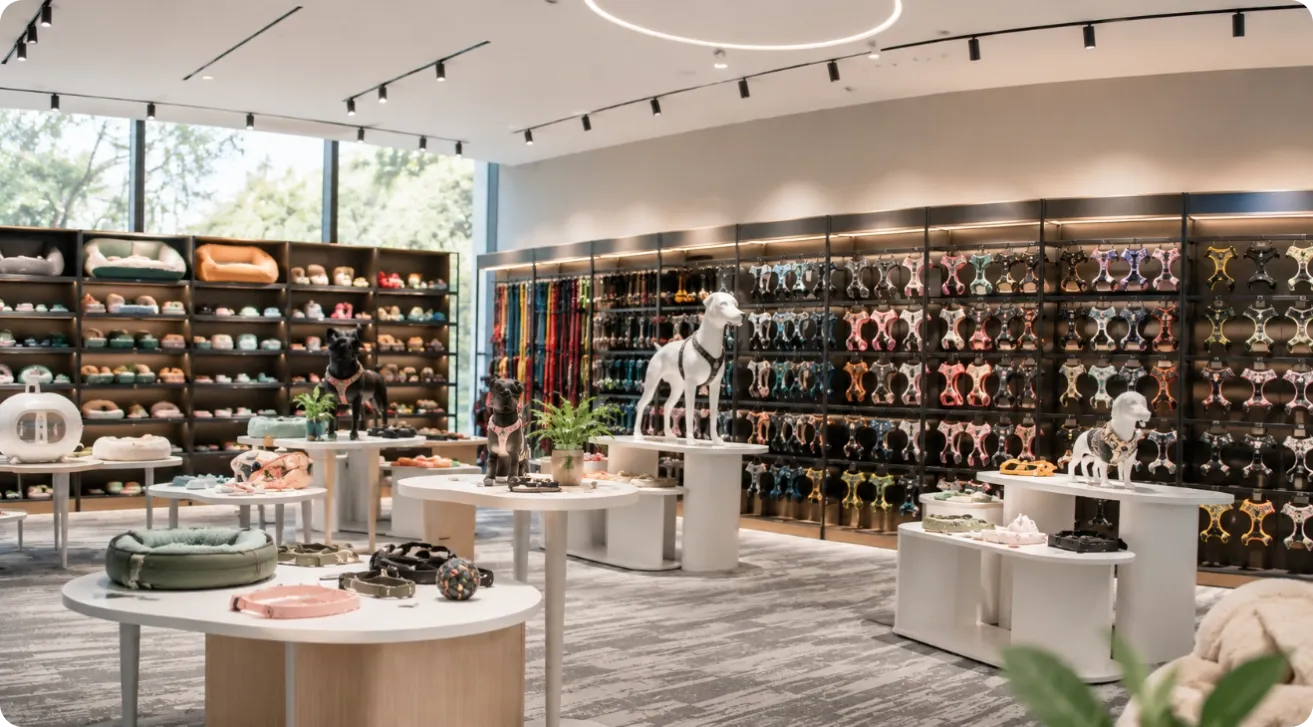
At JABARI PET, we help international pet brands source custom harnesses, collars and leashes through manufacturing partners in China.
This guide explains the main product options, customization possibilities and sourcing decisions involved in developing a private-label cat accessory collection.
Why Pet Brands Are Expanding Into Cat Accessories
Cat accessories offer established pet brands an opportunity to serve a wider customer base.
A company known for colorful dog walking sets may already have customers who also own cats. Introducing coordinated cat products allows the brand to maintain its existing design identity.
For example, a floral collection could include a dog harness, cat harness, matching leashes and cat identification collars.
The products can share selected colors and visual elements without using identical construction.
This is particularly relevant for lifestyle-oriented pet brands that compete through distinctive prints, coordinated collections and recognizable branding.
However, the category should be approached carefully. Not every cat tolerates a harness, and not every cat owner is interested in outdoor walking.
A successful collection should address specific customer needs rather than assume all cats behave like small dogs.
Choosing the Right Cat Harness Style
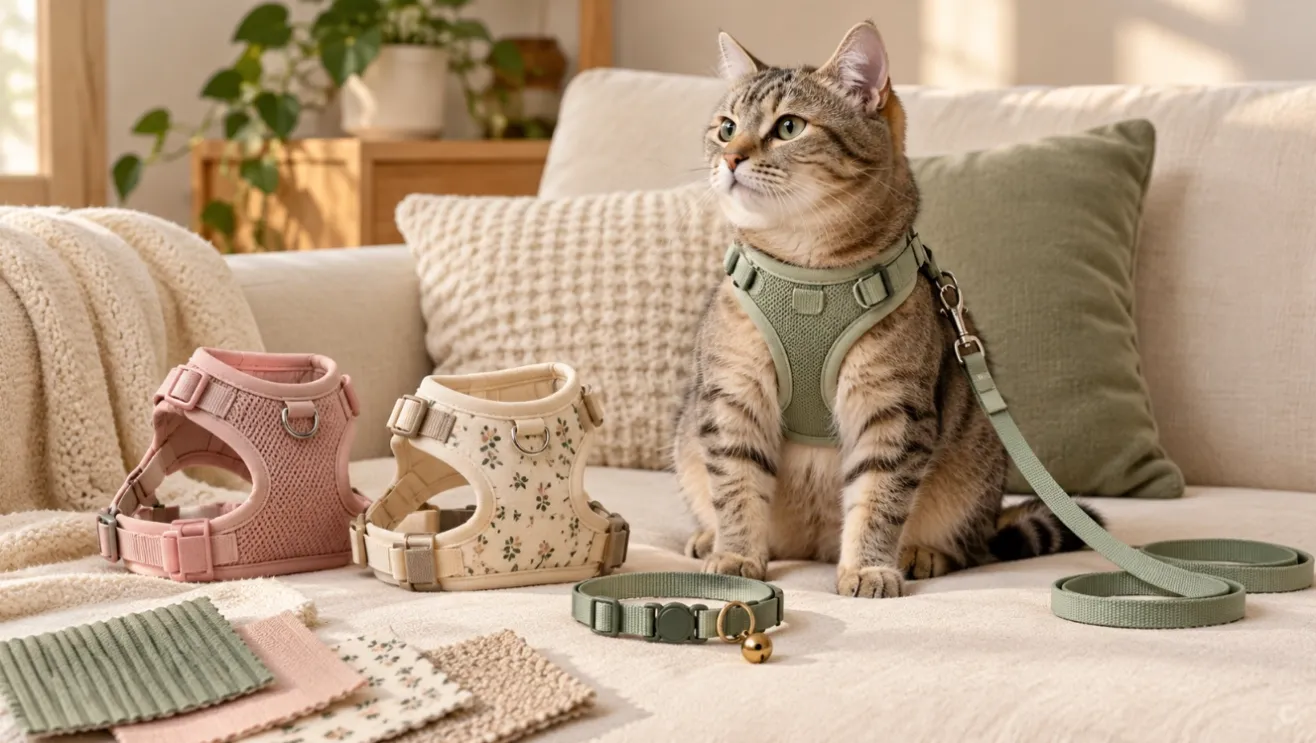
Two common design directions are adjustable strap harnesses and soft vest-style harnesses.
An adjustable strap harness uses webbing or fabric straps with suitable adjustment points.
This construction may offer a relatively simple appearance and allow brands to incorporate printed webbing or custom colors.
A vest-style harness typically uses a larger fabric panel, which may be made from mesh or another suitable textile.
Vest designs provide opportunities for printed patterns and a different visual appearance.
However, neither style is automatically suitable for every cat.
Fit, coverage, movement and the individual animal's tolerance all need consideration.
For OEM buyers, it is important to evaluate the intended construction rather than select a style based only on photographs.
Why Cat Harness Sizing Needs Special Attention
One of the most common sourcing mistakes is treating a cat harness as an XXS dog harness.
Although some measurements may overlap, cats and small dogs can have different body proportions.
Cats are also flexible and may move backward, twist or crouch when uncomfortable.
A harness that appears suitable while the animal is standing may shift during movement.
Manufacturers should therefore develop or evaluate patterns specifically for the intended feline size range.
Buyers should request clear neck and chest measurements, adjustment ranges and instructions for measuring the animal.
Size labels such as XS or Small are not enough because sizing systems vary between suppliers.
The finished product should be evaluated with appropriate attention to fit, movement and animal welfare.
Selecting Materials for Custom Cat Harnesses
Material selection affects the appearance, weight and construction of a cat harness.
Lightweight mesh, woven fabrics and appropriately sized webbing may be considered depending on the design.
For a printed collection, buyers may choose fabrics that support consistent colors and patterns.
For a minimalist collection, solid-color webbing and simple hardware may be more suitable.
However, fabric softness alone does not guarantee comfort.
The manufacturer should consider edge finishing, seam placement, adjustment components and how the harness contacts the body.
Heavy hardware designed for large dogs may be unnecessarily bulky for some cat accessories.
Material and component choices should be evaluated together as part of the complete sample.
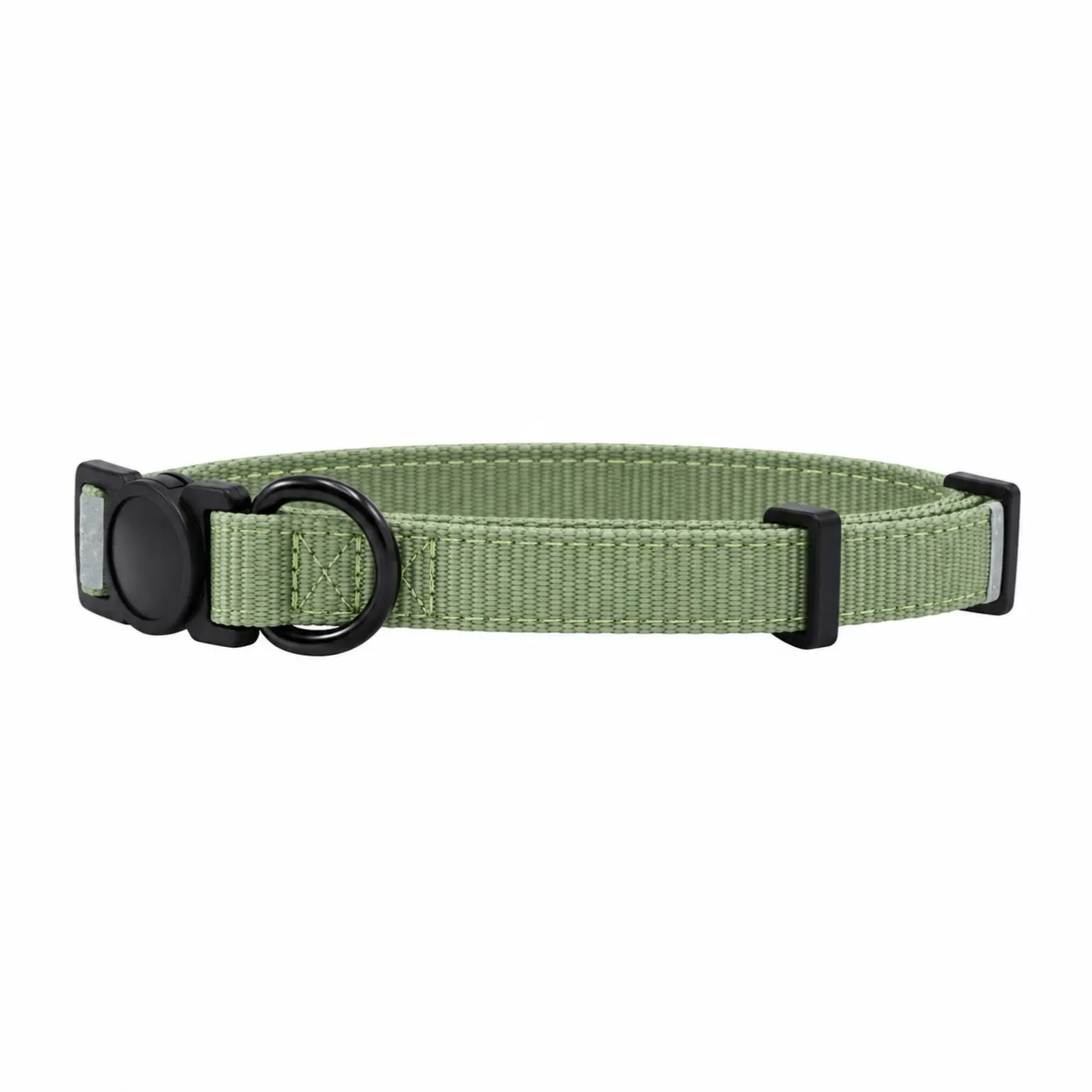
Custom Cat Collars: Breakaway Buckles and Safety Considerations
Cat collars require a different approach from ordinary dog collars.
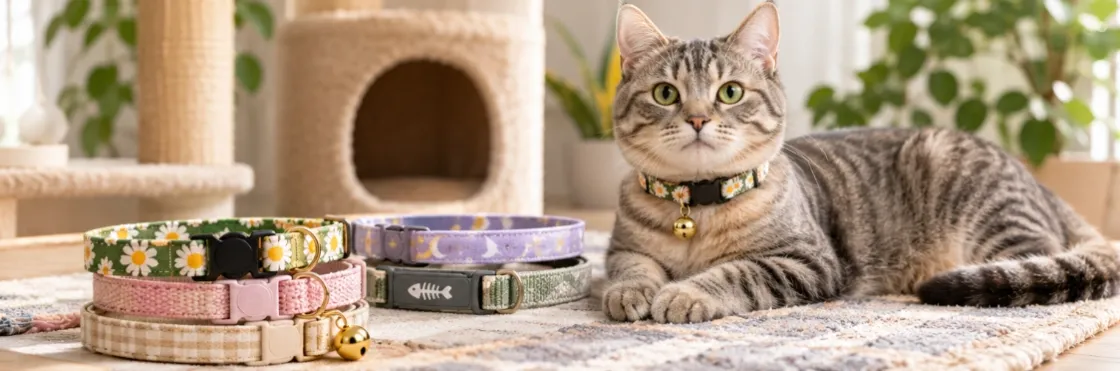
For everyday identification collars, a suitable breakaway mechanism is commonly recommended by cat welfare organizations to help reduce entanglement risks.
The mechanism is intended to release under appropriate conditions, although its actual performance depends on the design and construction.
Buyers should discuss the intended release behavior and relevant evaluation requirements with the manufacturer.
A conventional fixed dog collar should not automatically be repurposed as a cat identification collar.
Similarly, everyday cat identification collars should not be used as the primary attachment point for walking leashes.
The collar and harness serve different purposes and should be developed accordingly.
Custom Cat Leashes and Matching Walking Sets
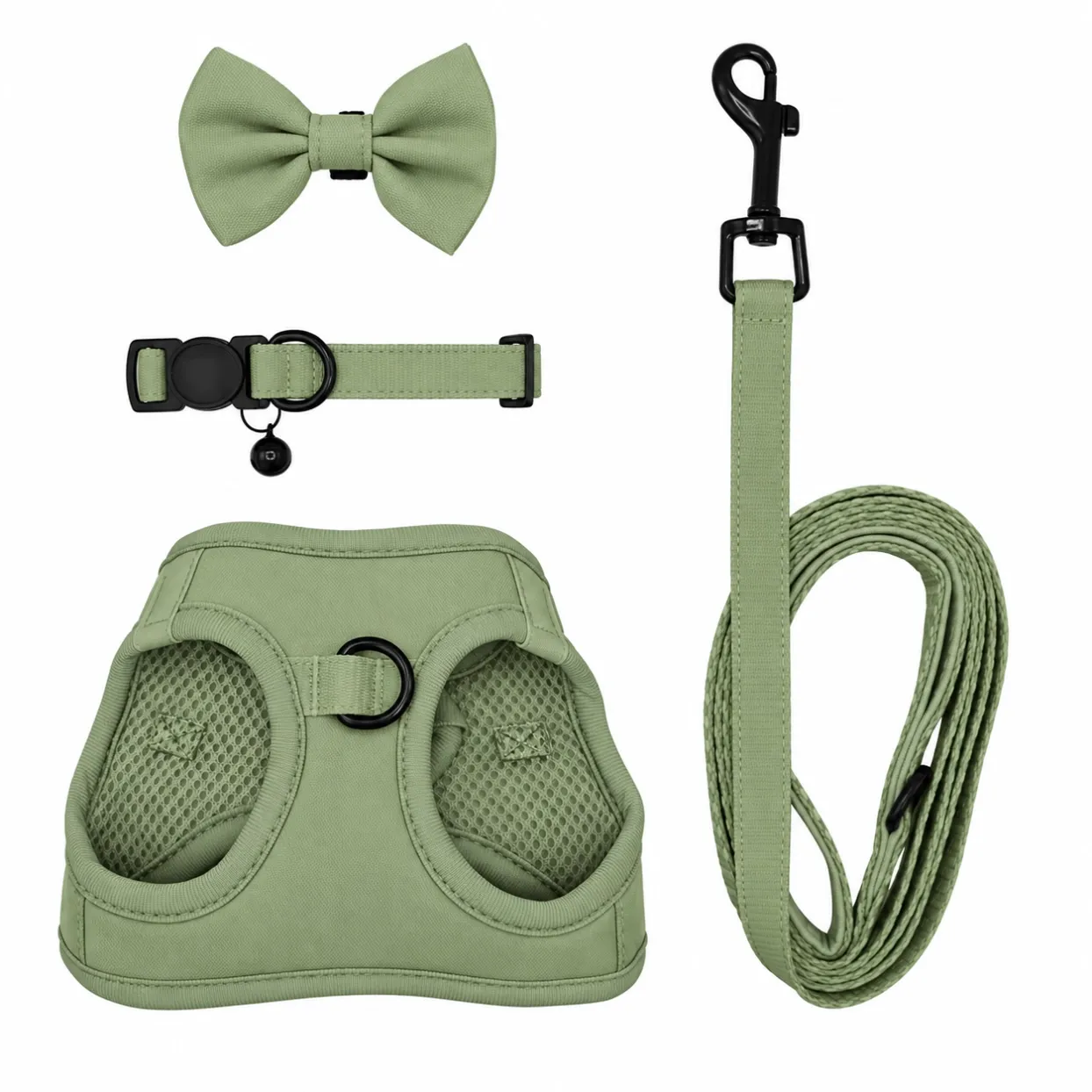
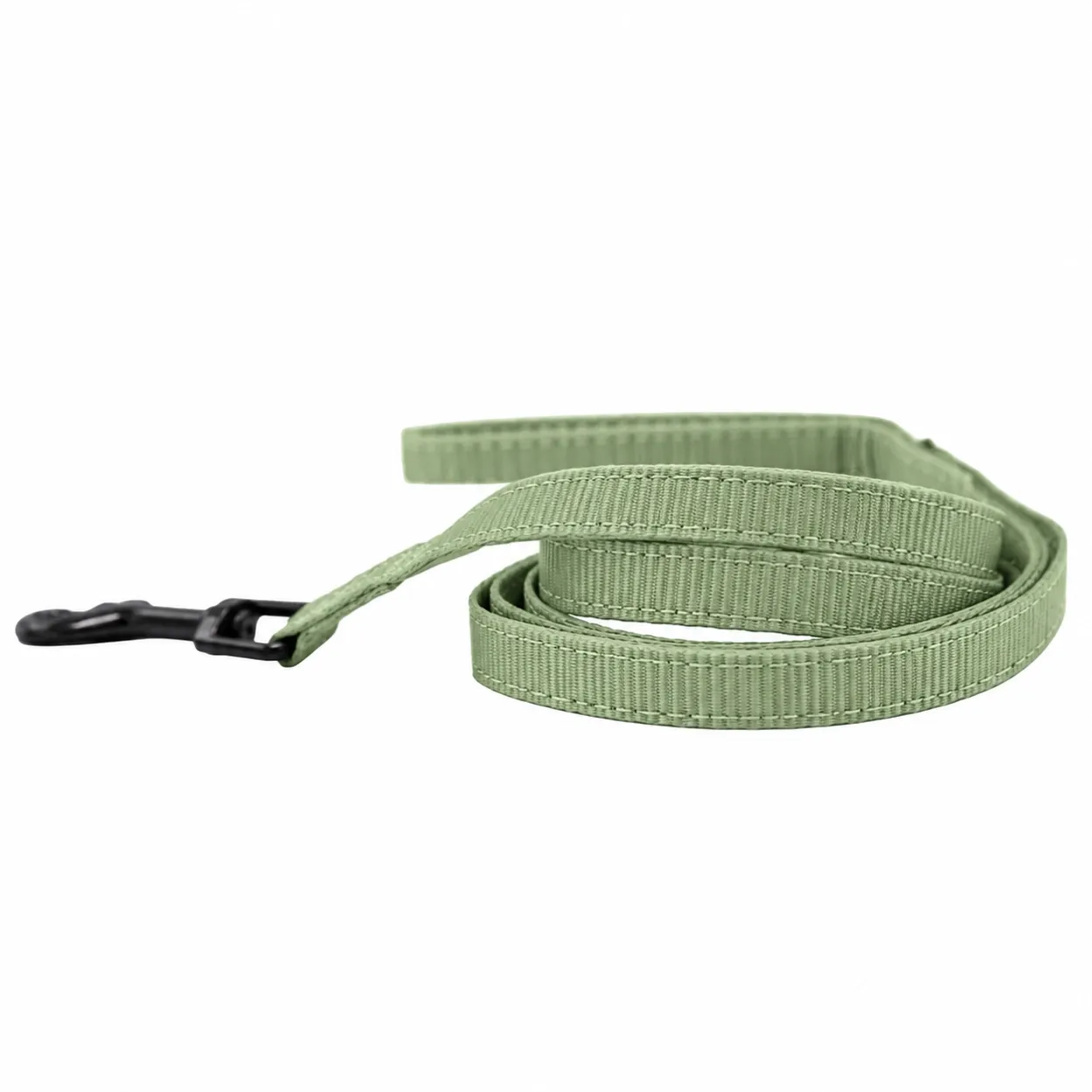
A coordinated cat harness and leash set can be attractive for private-label brands.
Matching fabrics, colors and hardware finishes help create a consistent product presentation.
However, the leash should be selected according to the intended use.
Important considerations include leash length, material, clasp dimensions, hardware weight and handling characteristics.
A large metal clasp designed for a heavy-duty dog leash may be inappropriate for a lightweight cat harness.
Brands should evaluate the harness and leash as a complete system rather than treating them as unrelated accessories.
Product descriptions should also avoid suggesting that all cats enjoy leash walking.
Some cats may gradually tolerate appropriate harness use, while others may find it stressful or unsuitable.
Private Label Customization Options
Custom cat accessories offer several branding possibilities.
Depending on the design, options may include printed fabrics, custom webbing colors, woven labels, embroidery, suitable logo applications and retail packaging.
A coordinated collection might feature a floral mesh harness, matching leash and printed breakaway collar.
Another brand may prefer minimalist solid colors with discreet woven labels.
For an existing dog accessory brand, selected fabrics or color references may be shared between product categories.
However, the cat products should retain their own appropriate dimensions and construction specifications.
Changing fabrics, buckles or webbing can also affect the finished product, so substitutions should be reviewed before bulk production.
Developing a Cat Collection Without Too Many SKUs
Launching a new category creates inventory risk.
A brand may be tempted to introduce several harness styles, numerous colors and multiple sizes immediately.
However, every additional variation increases purchasing and stock-management complexity.
For a first collection, a focused assortment may be more practical.
For example, a brand could develop one adjustable cat harness, a compatible leash and a suitable identification collar in two coordinated colors.
This provides a recognizable product range without requiring an extensive launch.
The final assortment should reflect the brand's target customers and expected sales channels.
Brands serving primarily indoor-cat households may also consider complementary products such as toys, beds or carriers.
What Affects Custom Cat Accessory Pricing?
Manufacturing prices depend on the product's construction and specifications.
For harnesses, important factors include fabric consumption, sewing complexity, adjustment components, buckles and hardware.
For collars, pricing may depend on webbing materials, printing, release mechanisms, labels and sizes.
Leash prices are influenced by length, width, material and attachment hardware.
Customized colors, printed fabrics and special components may introduce additional production requirements.
Packaging and order quantities can also affect the final quotation.
When comparing suppliers, buyers should ensure that the quoted products use equivalent materials and construction.
A lower price is not necessarily a better offer if the specifications differ.
Understanding MOQ for Cat Harnesses, Collars and Leashes
Minimum order quantities vary according to the product and customization requirements.
An existing design using available materials may have different minimums from a fully customized OEM product.
Special fabrics, printed webbing, hardware finishes and custom components may also have separate supplier minimums.
For this reason, brands should request quotations based on the intended quantity breakdown by product, color and size.
It is important to distinguish the minimum order quantity for a complete product from the minimum required for an individual material or component.
At JABARI PET, we review cat accessory projects according to their specifications and manufacturing feasibility.
Final MOQ and pricing are confirmed during quotation rather than assumed to be identical across all products.
Sampling Before Bulk Production
Sampling is an important stage of custom cat accessory development.
A sample allows buyers to review the finished appearance, dimensions, materials, stitching and hardware.
For harnesses, fit and adjustment should receive particular attention.
For collars, the selected release mechanism and its intended performance need appropriate evaluation.
For leashes, buyers should review the attachment hardware and overall construction.
Any necessary testing should be determined according to the finished product and destination market.
If the sample requires changes, those revisions should be documented before production approval.
The approved sample and written specifications should then serve as references for the bulk order.
Quality Control and Market Requirements
Quality control should cover the actual products being manufactured.
Depending on the design, inspections may include measurements, stitching, material consistency, hardware attachment, appearance and packaging.
For products with specific functional requirements, the inspection plan should identify suitable evaluation methods and acceptance criteria.
Brands selling in the United States, United Kingdom or European Union should also review applicable product safety, labeling and traceability obligations.
The relevant requirements depend on the product's intended use, construction and destination market.
A supplier should not claim that a product meets every international requirement simply because it has passed one particular test.
Testing documentation and compliance responsibilities should be discussed before bulk production.
What to Send a Cat Accessory OEM Manufacturer
A clear sourcing inquiry helps suppliers provide more useful quotations.
Start with reference photographs or original artwork.
Identify the products you want to develop, such as harnesses, collars, leashes or complete sets.
Provide your preferred materials, colors, sizes and branding requirements.
If you already have a measurement chart, include it.
Explain whether you prefer an existing design with customization or a completely new OEM construction.
Finally, provide the estimated quantity by product, color and size, together with your destination market and packaging requirements.
These details help the supplier assess manufacturing feasibility and identify any specifications that need further discussion.
Develop Custom Cat Accessories With JABARI PET
JABARI PET supports international pet brands, retailers and private-label businesses sourcing custom pet accessories through manufacturing partners in China.
Our product scope includes harnesses, collars, leashes and coordinated walking accessory collections.
For brands expanding from dog accessories into cat products, we can help review reference designs, discuss suitable materials, coordinate sampling and communicate customization requirements with manufacturing partners.
We recommend evaluating cat-specific fit and construction rather than simply resizing existing dog products.
MOQ, sampling costs, production pricing and any testing requirements are confirmed according to the individual project.
Request a Custom Cat Harness, Collar & Leash Quotation
Planning to launch a private-label cat accessory collection?
Send JABARI PET your product references, preferred styles, materials, branding artwork, proposed sizes and expected order quantities.
Please also tell us whether you want matching products for an existing dog accessory range or a completely new cat collection.
We can review your requirements and discuss suitable OEM/ODM sourcing options.
JABARI PET — Custom Pet Product Sourcing & Manufacturing Partner
Contact us to discuss your custom cat harness, collar and leash collection.