Oct 21, 2026Pet Product Manufacturing
Custom Squeaky Dog Toys: A Practical OEM Manufacturing Guide
A practical guide to custom squeaky dog toy manufacturing, covering squeaker types, plush fabrics, construction, sampling and OEM orders from 300 pcs per design per color.
Custom Squeaky Dog Toys: A Practical OEM Manufacturing Guide
A squeaky dog toy might look simple on a retail shelf. It could be a soft duck, a corduroy dinosaur or a small plush character with an embroidered face. But behind that finished product are several decisions that can make a noticeable difference to its cost, construction and performance.
For pet brands developing their own collections, choosing the right squeaker is only part of the process. Fabric selection, seam construction, toy size, internal components and packaging all need to work together.
At JABARI PET, we help pet brands, retailers and private-label businesses develop custom plush dog toys through our manufacturing partners in China. Our starting minimum order quantity is 300 pieces per design per color, with quotations available for 300, 500 and 1,000 pieces.
This guide looks at what buyers should consider before requesting a custom squeaky dog toy sample, particularly when developing an original design rather than selecting a standard catalog product.
What Makes a Good Custom Squeaky Dog Toy?
The appeal of a squeaky toy is easy to understand. Some dogs enjoy the sound and respond to it during play. For brands, the squeaker also provides an interactive feature that can help distinguish a plush toy from a decorative stuffed animal.
However, a good product needs more than an interesting sound.
Consider a small plush duck designed for a boutique pet brand. Its body must be large enough to accommodate the selected squeaker, but the toy should still suit the intended dog size. The beak and wings need to be shaped and attached appropriately, while the outer fabric must work with the planned embroidery and sewing construction.
If the design is too complicated, it may become difficult to manufacture consistently. If the squeaker is poorly positioned or becomes accessible after the fabric is damaged, it may introduce an avoidable risk.
The objective is to find a sensible balance between appearance, play features, manufacturing cost and product safety.
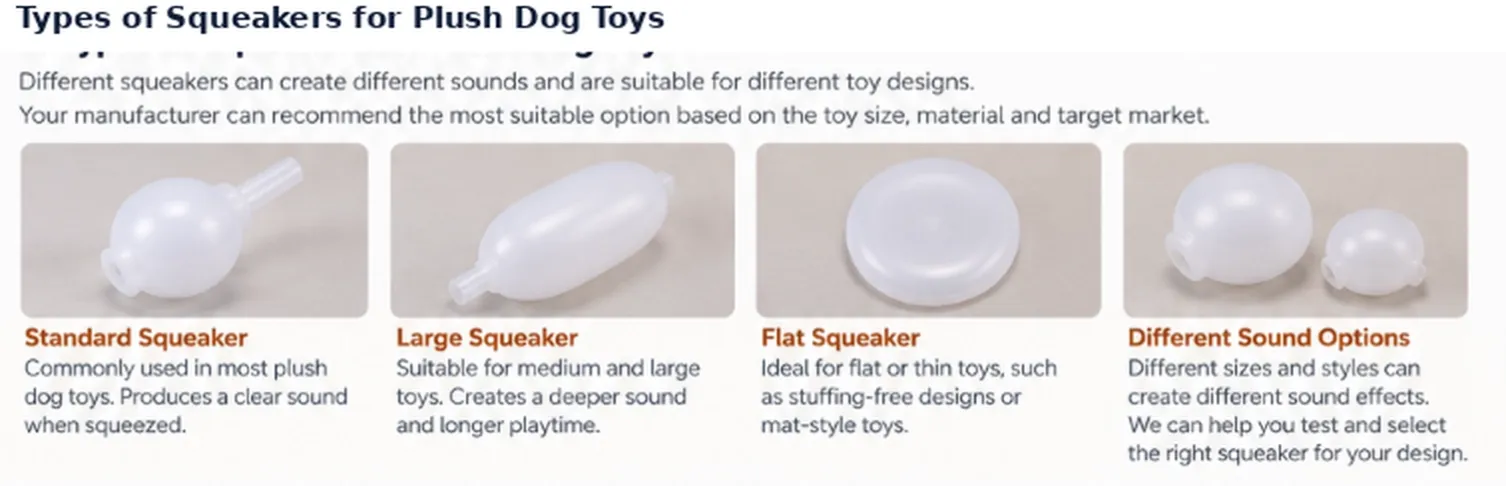
Understanding Different Squeaker Options
Not all squeakers are the same. They can vary in dimensions, shape, sound characteristics and how they respond to pressure.
For an OEM project, it is worth reviewing physical squeaker samples before finalizing the toy construction.
Standard Squeakers
These are commonly used in plush dog toys. Their dimensions and sound characteristics vary by supplier, making it important to select a component that fits the intended design.
Flat Squeakers
A flatter component may be worth considering for toys with a thinner body or limited internal space. Its suitability depends on the specific construction and how the toy is compressed during play.
Larger Squeakers
Larger toys may accommodate larger sound components, but bigger does not automatically mean louder or better. The sound, durability and internal fit should be evaluated with the actual sample.
Alternative Sound Components
Some designs use different sound mechanisms or combine squeakers with crinkle material. These options can create a different play experience, although they may increase material and assembly costs.
Before approving a squeaker, ask the supplier for its dimensions, material specification, sound characteristics and available supporting documentation.
Most importantly, assess how the component will be enclosed within the finished toy.
Why Squeaker Placement Matters
Squeaker placement is an easy detail to overlook during early product development.
For a simple round plush toy, the center of the body may be a practical position. For an animal-shaped toy with a long neck, narrow body or unusual proportions, placement may be more complicated.
The selected position affects how easily the squeaker can be compressed and whether the surrounding filling changes the sound.
It also affects the manufacturing process.
A squeaker should not be placed where normal sewing operations could damage it. The finished construction must also be evaluated for the possibility of the component becoming accessible if the outer material tears.
For this reason, it is better to confirm the squeaker during prototype development rather than treat it as an accessory that can be added at the last minute.
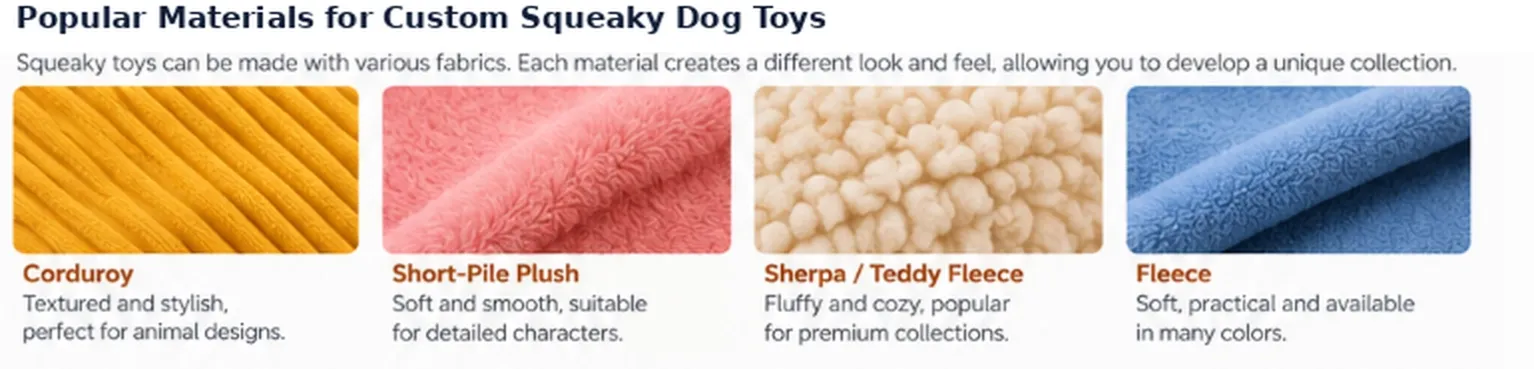
Choosing Fabrics for Custom Squeaky Dog Toys
Fabric selection influences the appearance of the toy, but it also affects pattern cutting, sewing, material consumption and the finished product's performance.
Different materials are suitable for different design directions.
Fabric | Appearance | Points to evaluate |
|---|---|---|
Corduroy | Distinctive ribbed texture | Rib direction, backing, seam performance |
Short-pile plush | Smooth, soft surface | Fabric density, shedding, embroidery |
Fleece | Soft, relatively flat texture | Stretch, pilling, thickness |
Sherpa-style fabric | Fluffy, teddy-like appearance | Fiber shedding, cleaning, construction |
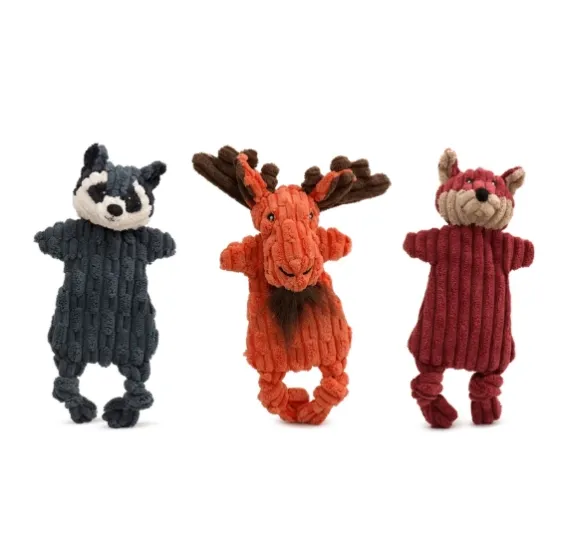
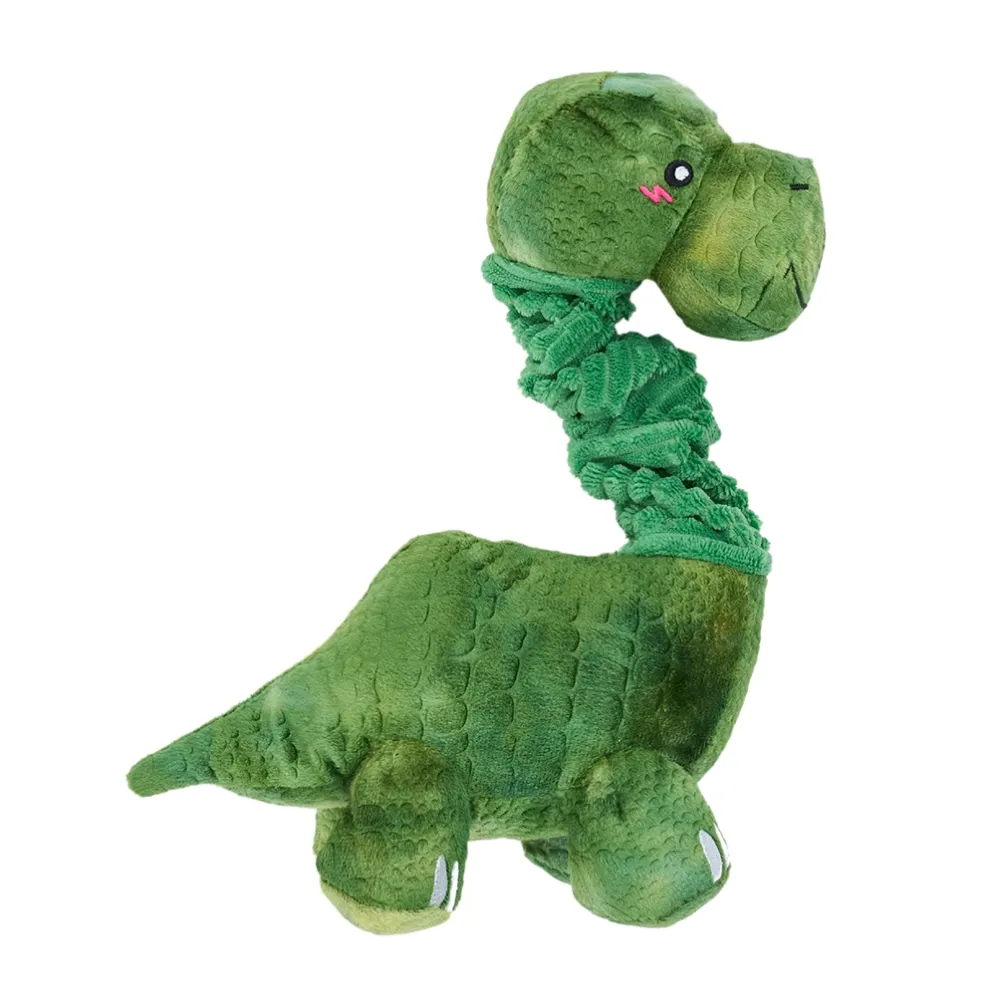
Corduroy is particularly interesting for brands looking for a recognizable visual style. A giraffe or dinosaur made with ribbed fabric can look distinctive without relying on complicated printed patterns.
Short-pile plush is another versatile option, particularly for animal designs with embroidered facial details.
Sherpa-style fabrics can create an attractive fluffy appearance, but their suitability for active dog play needs careful evaluation.
There is no single fabric that is best for every plush dog toy. The appropriate choice depends on the intended use, construction and product specification.
A fabric that works well for a collectible mascot is not automatically suitable for a toy intended to be chewed.
From Original Artwork to a Physical Sample
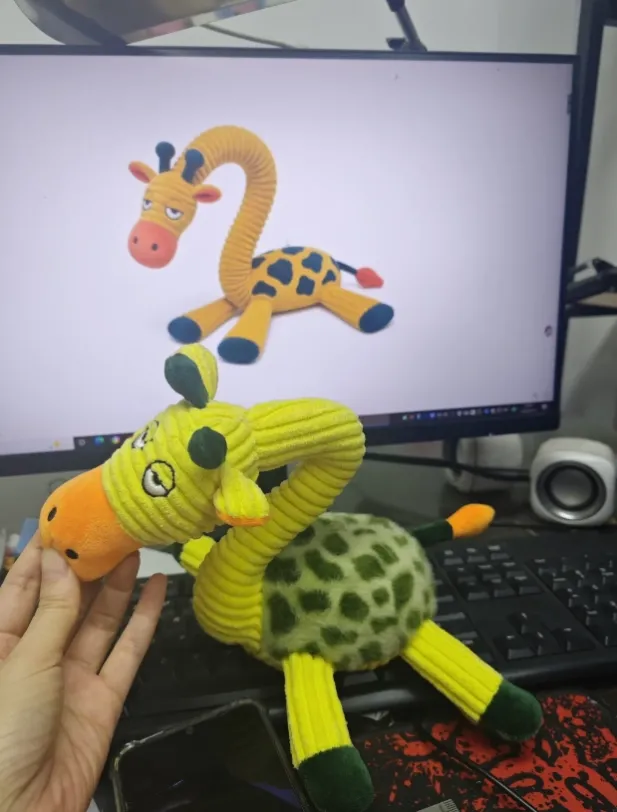
One of the most interesting aspects of custom plush manufacturing is the ability to turn a drawing into a three-dimensional product.
A brand may begin with a character illustration, a rough sketch or a reference photograph.
The manufacturer then needs to interpret the design as fabric patterns, seams, filling and embroidered details.
This is rarely a matter of simply copying the original image.
A long-necked giraffe, for example, requires careful attention to the shape and support of its neck. A rabbit with long ears needs suitable pattern pieces and secure attachment points. A toy with several different fabrics may require additional cutting and sewing operations.
During sampling, buyers should review the product from multiple angles rather than only comparing the front view with the original artwork.
Important details include overall proportions, embroidery placement, fabric direction, firmness and the quality of the finished seams.
For a squeaky dog toy, the sample should also be evaluated with the selected sound component installed.
How Can Brands Customize Their Squeaky Plush Toys?
Customization can involve several elements beyond the main animal shape.
Original Characters
Develop a distinctive animal, mascot or novelty design based on original artwork.
Fabric and Color
Choose suitable materials and available colors that match the brand's visual identity.
Embroidered Details
Add facial features or selected decorative elements using embroidery rather than relying on detachable hard accessories.
Interactive Features
Evaluate squeakers, crinkle material or other appropriate internal features.
Brand Labels
Consider woven labels or other branding methods, with attention to placement and attachment security.
Retail Packaging
Use suitable hang tags, product labels or packaging designed for the intended sales channel.
Not every option will be practical for every design. For smaller production quantities, using available fabrics and established components can help control sourcing complexity.
What Does Low MOQ Mean for Custom Squeaky Dog Toys?
Minimum order quantity is especially important for brands testing a new collection.
JABARI PET offers a starting MOQ of 300 pieces per design per color for custom plush toy projects, subject to design and material feasibility.
For example, a brand ordering one duck design in cream and pink would need a minimum of 300 pieces in each color, or 600 pieces in total.
If the same brand develops a duck, dinosaur and rabbit in one color each, the combined minimum would be 900 pieces.
For quotation purposes, buyers can compare three quantity levels:
Quantity per design per color | Typical purpose |
|---|---|
300 pieces | Initial launch or trial order |
500 pieces | Growing private-label collection |
1,000 pieces | Larger retail or wholesale program |
These quantities should not be interpreted as permission to mix multiple designs or colors within a single 300-piece minimum.
The final price depends on the toy's dimensions, material requirements, sewing complexity, sound components, branding and packaging.
What Affects the Manufacturing Cost?
Two squeaky dog toys of similar size can have noticeably different production costs.
A simple plush bone with one fabric and a standard squeaker may require fewer manufacturing operations than a detailed animal with multiple fabric panels, embroidered features and a specially shaped body.
Fabric consumption also matters. A complicated pattern may generate more cutting waste, while unusual proportions can require additional sewing and assembly work.
Other cost factors include the type of squeaker, filling volume, custom labels and retail packaging.
Sampling is another consideration.
An original character may need several adjustments before the proportions and appearance are approved. The number of revisions and any associated charges should be discussed before development begins.
When comparing quotations, buyers should make sure each supplier is pricing the same product specification.
A lower unit price is not necessarily a better offer if it excludes components or finishing details required by the brand.
What Should Buyers Check Before Bulk Production?
Once a sample looks correct, it can be tempting to move directly into production.
However, visual approval alone is not enough.
Before confirming a bulk order, buyers should review the final sample, written material specifications, squeaker details, dimensions, embroidery, labels and packaging.
The product should also be evaluated for foreseeable risks associated with its intended use.
For plush dog toys, this may include seam strength, attachment security, filling containment and the possibility of internal components becoming accessible after damage.
Chemical restrictions, labeling and traceability requirements should be reviewed for the destination market.
EU buyers should consider the General Product Safety Regulation and other applicable obligations. US and UK buyers should evaluate the requirements relevant to their particular products.
Children's toy standards such as EN71 and ASTM F963 are not automatically mandatory for every pet-only toy. The appropriate testing scope depends on the product classification, design, materials and market.
Testing requirements and costs should be agreed before production.
No plush toy should be described as indestructible or completely chew-proof without an appropriate basis for the claim.
Building a Private Label Squeaky Dog Toy Collection
A new collection does not need to include ten different characters.
For many emerging brands, a smaller and more consistent range is easier to develop and manage.
Consider a woodland-themed collection with a fox, bear and rabbit. The toys could share a coordinated color palette, similar embroidery styling and consistent packaging.
Alternatively, a brand could launch one distinctive character and introduce additional designs after evaluating customer response.
This approach can help control initial inventory exposure while creating a recognizable product identity.
It is also worth considering how plush toys fit alongside the brand's existing products.
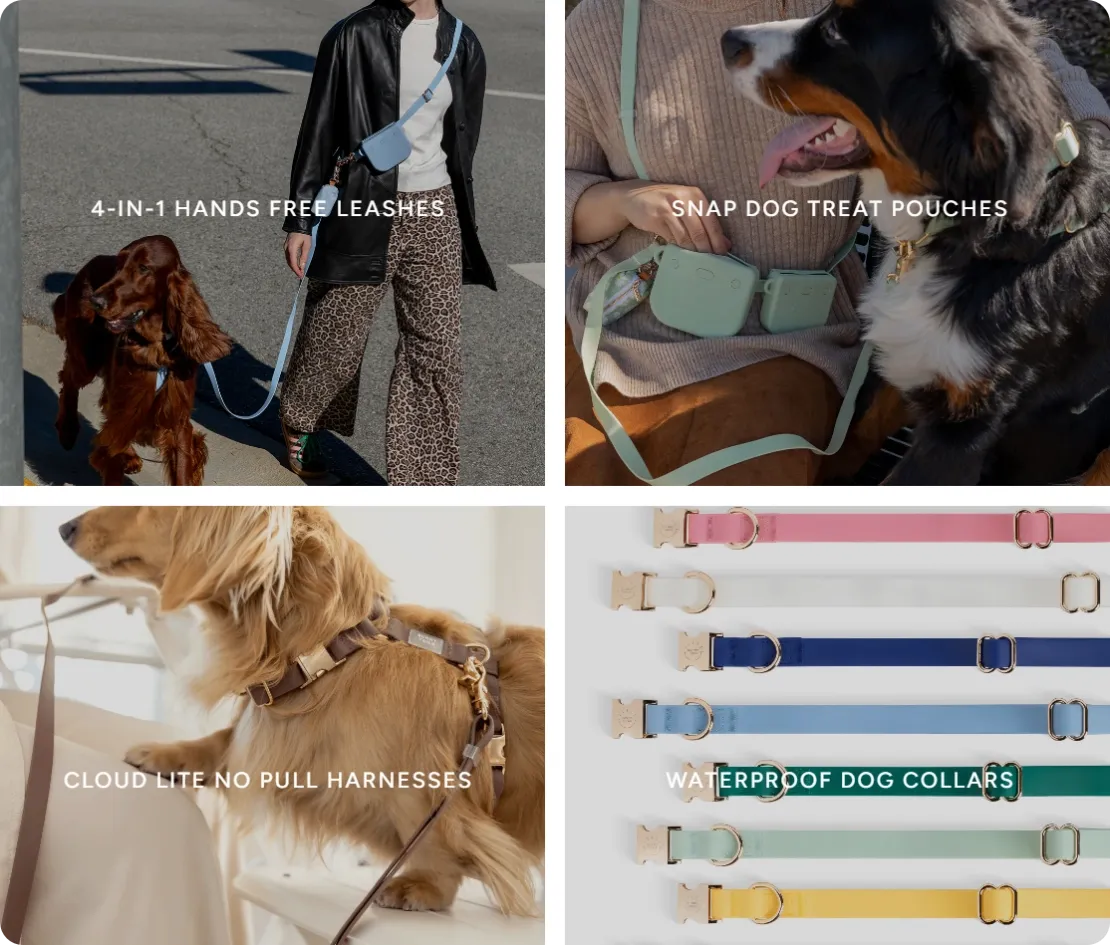
A coordinated plush toy, collar and leash collection may provide an opportunity for gift sets or complementary retail purchases.
Working With JABARI PET on Your Custom Design
JABARI PET helps international pet brands, retailers and private-label businesses source customized pet products through manufacturing partners in China.
In addition to harnesses, collars, leashes, apparel and accessories, we support custom plush toy development.
We can help buyers review original artwork, discuss available fabrics and interactive features, evaluate sampling requirements and coordinate quotations for suitable production quantities.
Our starting MOQ is 300 pieces per design per color, with pricing available for 300, 500 and 1,000 pieces.
The best starting point is a clear design brief, even if it consists of only a reference image, approximate dimensions and a few notes about the intended product.
Request a Quote for Custom Squeaky Dog Toys
Developing a custom squeaky plush toy for your pet brand?
Send JABARI PET your artwork or reference images, preferred toy dimensions, fabric requirements, squeaker preferences, branding details, expected quantity and destination market.
We can review your concept and discuss suitable OEM/ODM manufacturing options.
Minimum Order Quantity: 300 pieces per design per color
Quotation Quantities: 300 / 500 / 1,000 pieces
Contact JABARI PET
Share your design with us to start discussing your next custom plush dog toy collection.