Jul 22, 2026Private Label Pet Products
How to Launch a Dog Walking Collection Without Taking on Too Much Inventory
A practical guide to building a coordinated dog walking collection while controlling SKUs, development costs, minimum orders and unsold inventory.
How to Launch a Dog Walking Collection Without Taking on Too Much Inventory
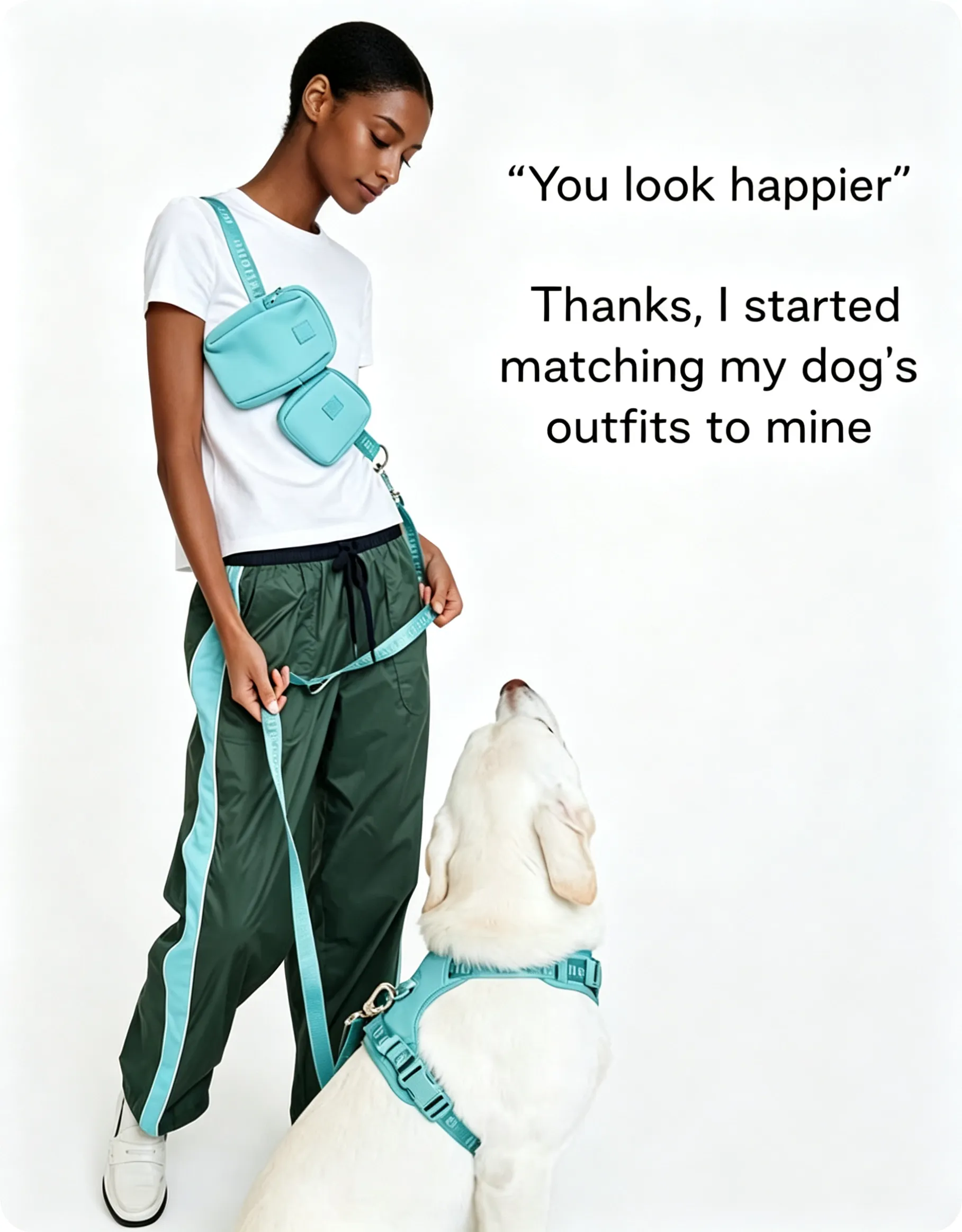
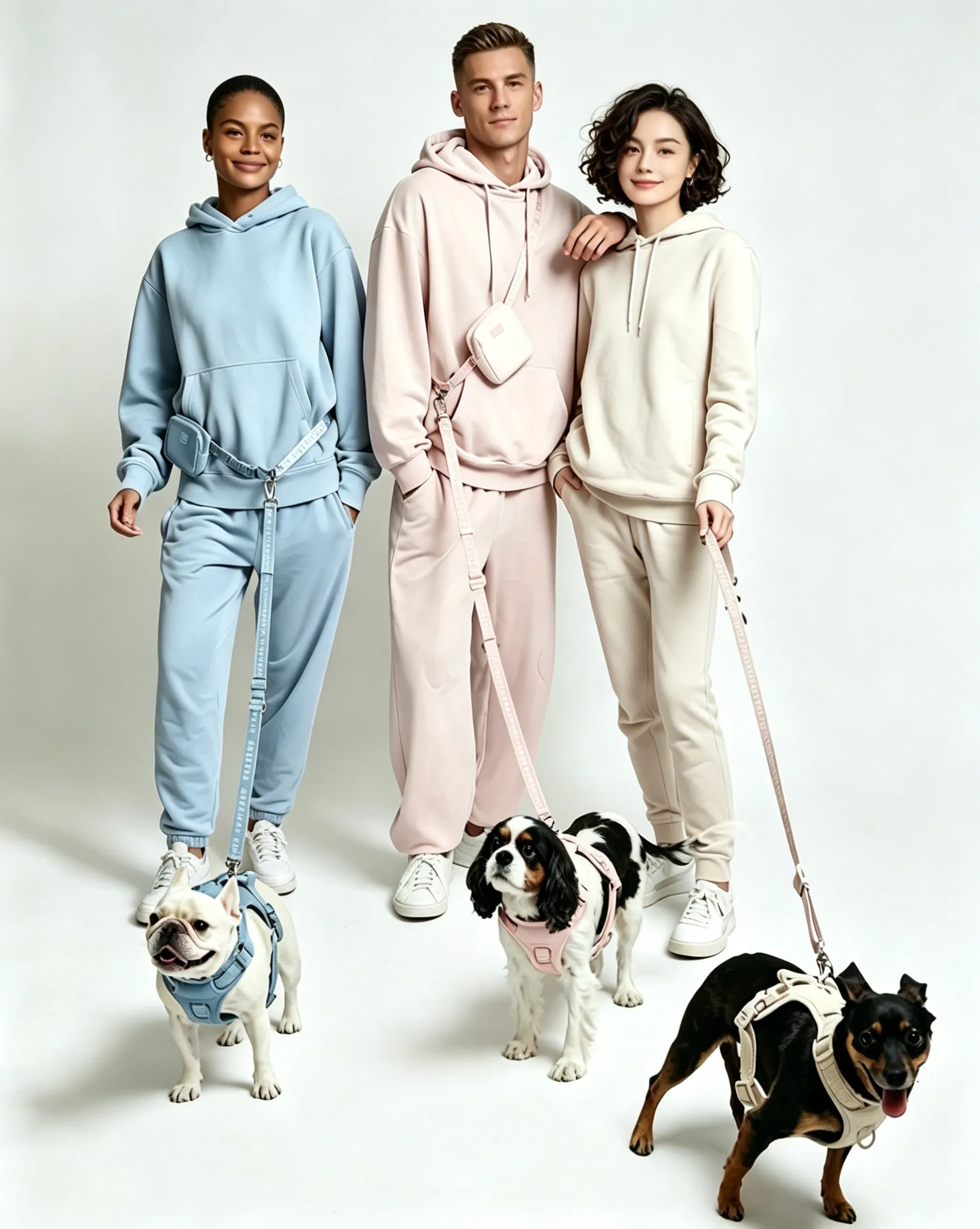
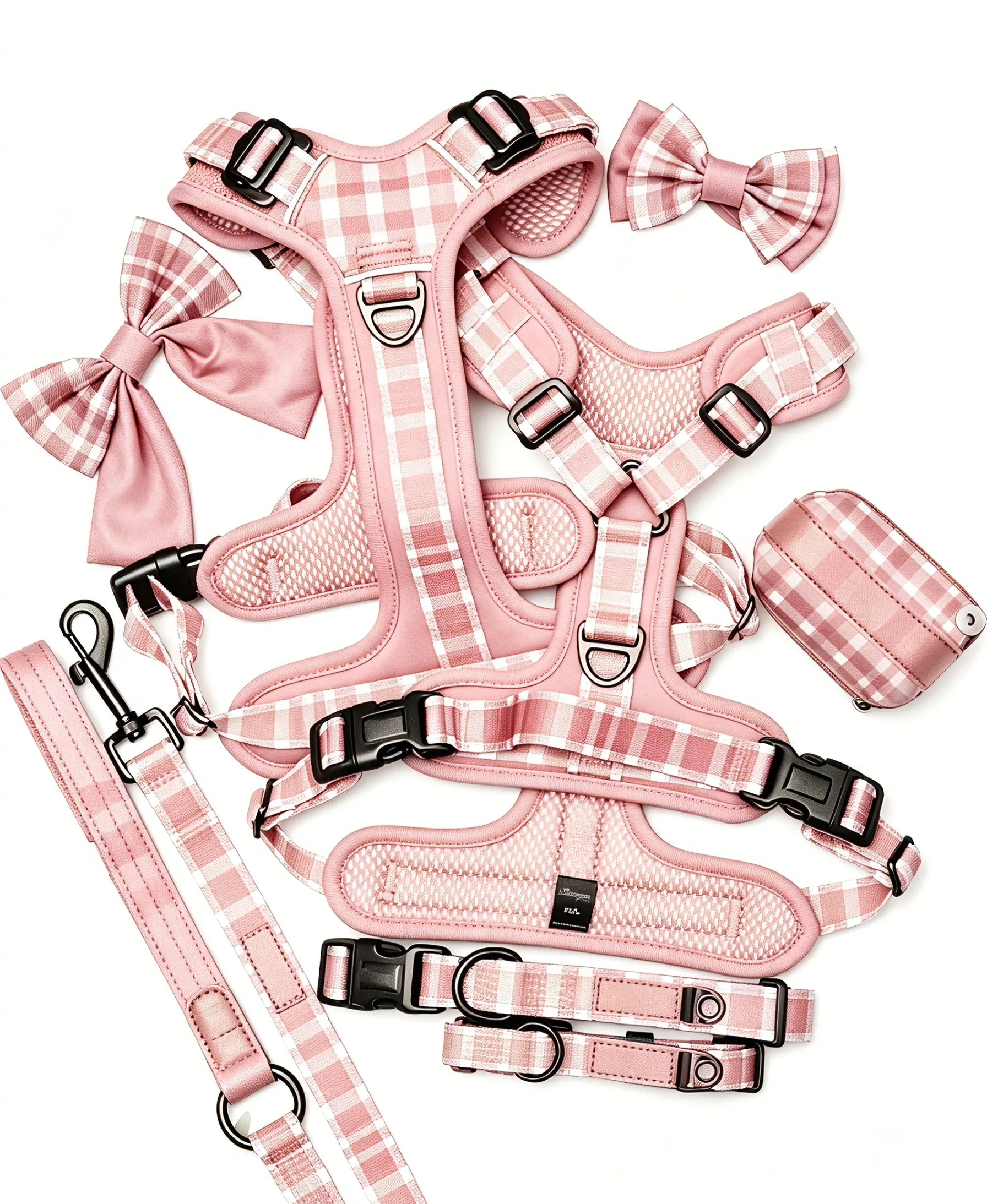
A matching dog walking collection can make a small pet brand look established very quickly. A coordinated harness, collar, leash and waste bag holder create a much stronger presentation than four unrelated products.
The difficulty is that every new product, colour and size creates another SKU.
A brand planning four products in five colours may believe it is developing one collection. In reality, once harness sizes are included, the project can easily become dozens of separate inventory lines. That means larger deposits, more packaging, complicated stock management and a higher risk of slow-selling combinations.
This is where many new pet brands make an expensive mistake: they copy the breadth of an established brand before they have the sales data of an established brand.
The better approach is not to abandon the collection idea. It is to build the collection in stages.
Current brands show why the collection model remains commercially attractive. Cocopup London sells coordinated harness, lead and collar bundles, while The Foggy Dog combines a harness, leash and waste bag dispenser in its walk sets. Wild One also groups harnesses with waterproof walking accessories, and maxbone uses walk sets for both core products and limited-edition collaborations.
The opportunity is clear. The challenge is developing the range without letting the SKU count control the business.
Begin With the Customer, Not the Product List
Before selecting fabrics or requesting quotations, define who the collection is for.
A fashion-led UK boutique brand may need soft colours, attractive embroidery and matching walking bags. An outdoor retailer may value wipe-clean materials, reflective details and stronger hardware. An Amazon seller may need a simpler product structure, clear sizing and packaging that is easy to understand.
These businesses should not develop the same collection.
Start by answering four questions:
- Who is the main customer?
- Where will the products be sold?
- What problem or lifestyle does the collection support?
- What retail price must each product achieve?
These answers guide the harness structure, material, colour range, packaging and target cost.
A product that looks attractive but does not fit the intended retail price will create problems before production begins. Likewise, a highly technical harness may be unnecessary for a brand whose customers mainly buy coordinated fashion accessories.
Choose One Hero Product
The hero product is the item that introduces the collection and carries most of its visual identity.
For many pet brands, this is the dog harness because it provides the largest area for colour, print, embroidery and branding. However, the hero product could also be a waterproof leash, a multifunctional walking bag or a distinctive collar.
The supporting products should be easier to manufacture and easier for customers to add to their order.
A sensible first collection might contain:
- One adjustable harness
- One matching leash
- One collar
- One waste bag holder
A walking bag can be added later after the core colours have shown sales potential.
This structure creates the appearance of a complete collection without forcing the brand to develop every possible accessory immediately.
Control the Number of Colours
Colour is one of the most effective ways to differentiate a pet collection, but it is also one of the fastest ways to increase inventory.
Suppose a brand launches:
- One harness in five sizes
- One collar in three sizes
- One leash
- One waste bag holder
- Five colours
That already produces 50 separate product and size combinations before packaging variations are considered.
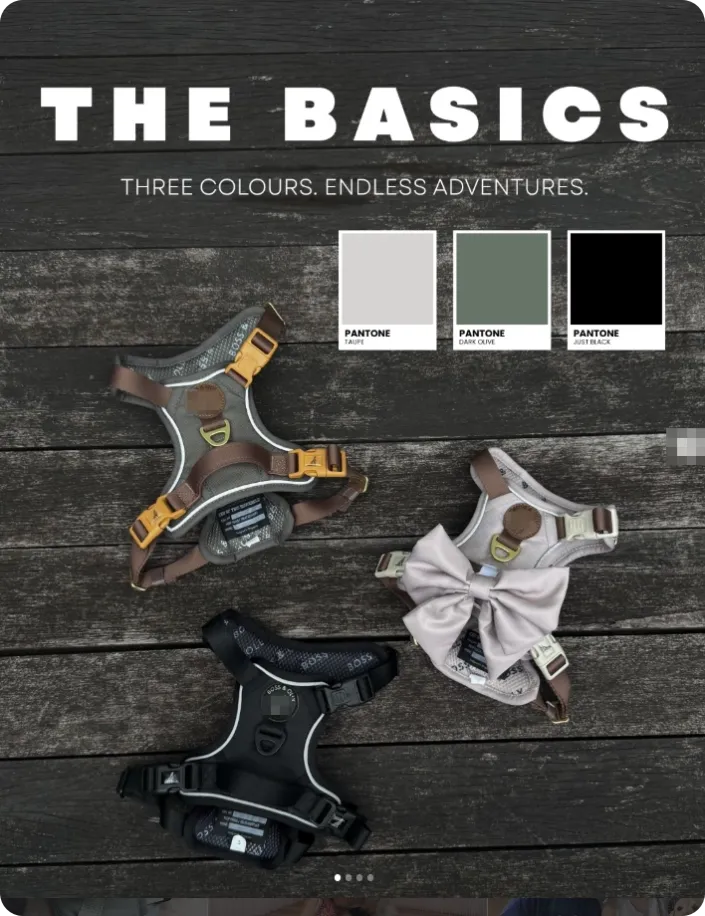
For a first launch, three colours are often more manageable:
One Commercial Neutral
Examples include black, navy, beige or chocolate brown. This colour is intended to have wider appeal and remain available beyond one season.
One Brand Colour
This should reflect the identity of the business. It could be lilac, sage, orange, dusty pink or another recognisable tone.
One Test Colour
This can be a more seasonal or expressive option used to test customer response.
The goal is not to predict the perfect colour. It is to create a controlled test from which the next production order can be planned.
Use Shared Components Across the Collection
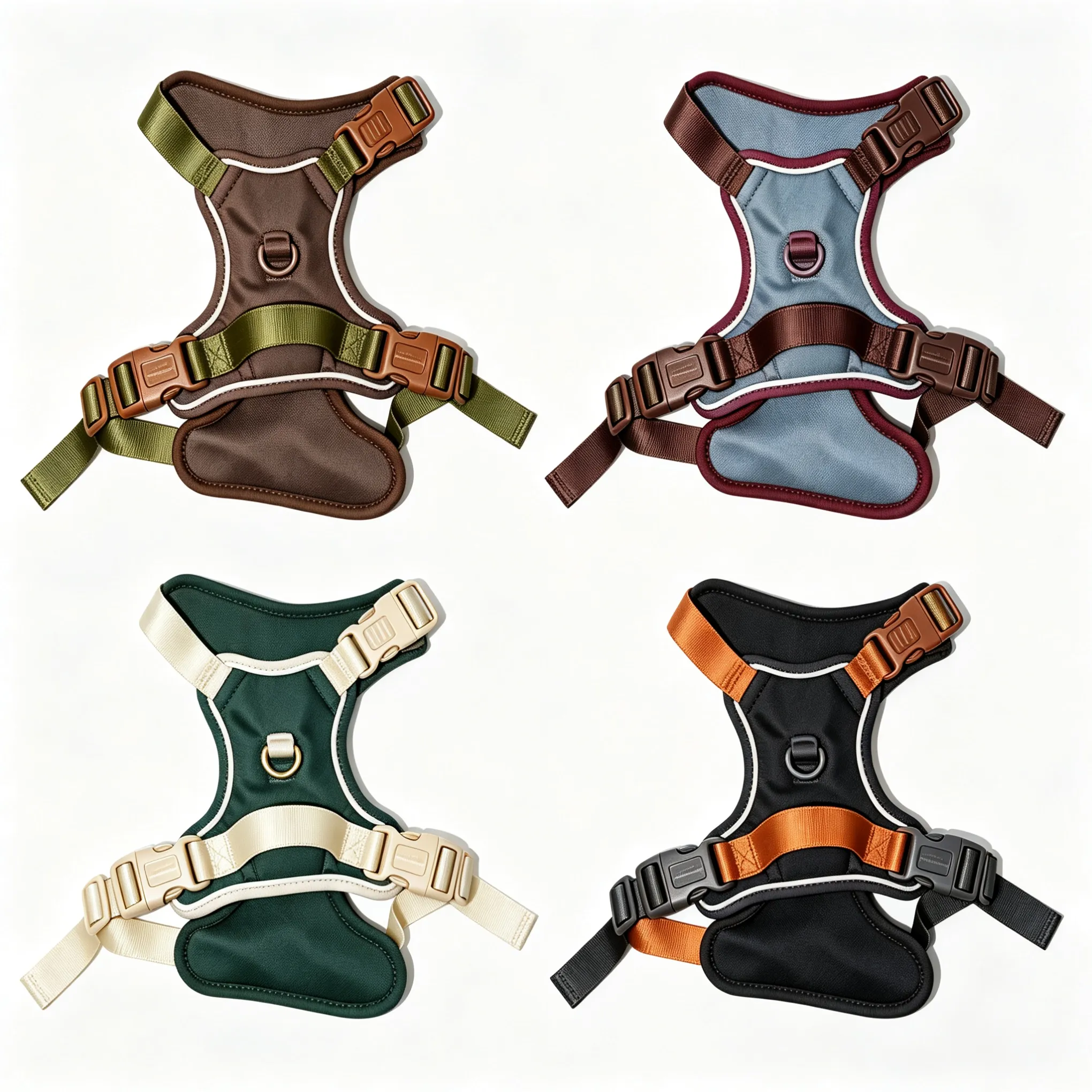
A coordinated collection does not require every product to use exactly the same construction. It does, however, benefit from shared components.
Using the same webbing colour across a harness, collar and leash can reduce material fragmentation. The same logo label may work on multiple products. One hardware finish can unify the range without requiring a different buckle for every style.
Shared components may include:
- Polyester or jacquard webbing
- Buckle colours
- Metal finishes
- Logo patches
- Woven labels
- Thread colours
- Packaging cards
This approach can make the range look more consistent while simplifying purchasing and quality control.
It also helps when reordering. If the same webbing is used across three products, surplus material may be easier to allocate than a fabric created for only one low-volume item.
Match the Material to the Collection Positioning
Materials should support the product promise rather than simply follow a trend.
For a fashion-focused walking collection, a brand may select soft neoprene, ribbed fabric, embroidery or decorative webbing. Cocopup London, for example, uses neoprene in adjustable harness bundles and has introduced designs featuring embroidery, velvet and seasonal patterns.
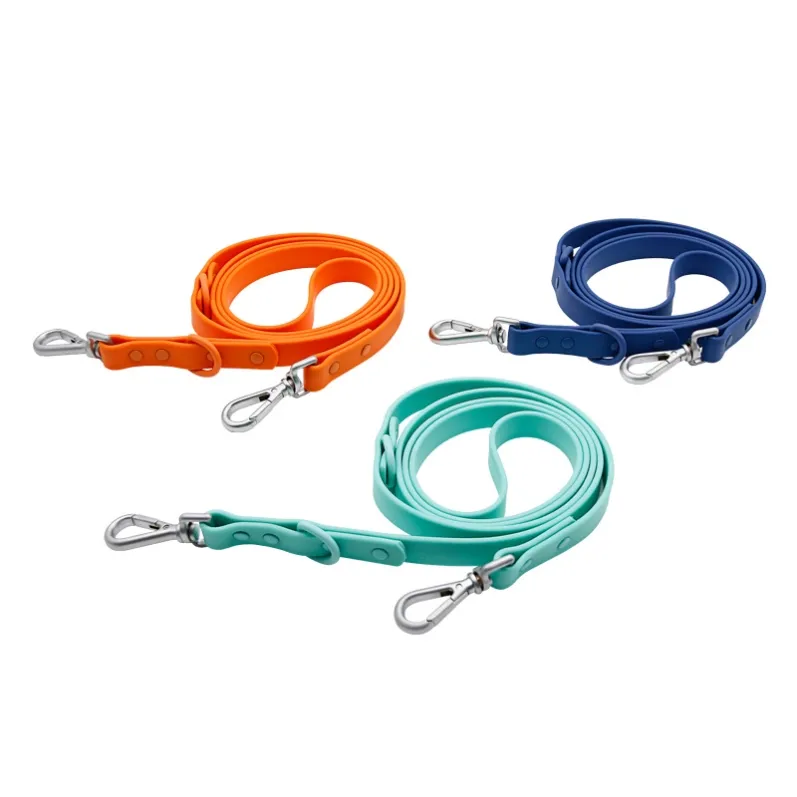
For an outdoor or easy-clean collection, TPU-coated webbing, waterproof leash materials and corrosion-resistant hardware may be more appropriate. Wild One currently positions its waterproof walking accessories around resistance to water, dirt and odour, showing how material performance can become part of the customer-facing product story.
For a comfort-led range, breathable mesh, soft padding and adjustability may matter more than decorative fabric. Wild One highlights breathable mesh and cushioned construction, while maxbone promotes lightweight neoprene harnesses with multiple adjustment and attachment points.
The right question is not, “Which material is popular?”
It is, “Which material supports the reason our customer will buy this collection?”
Decide Where Customisation Creates Real Value
Not every component needs to be fully customised.
For an early-stage brand, the smartest investment is often the detail customers notice most. This may be a distinctive colour combination, embroidered logo, custom webbing or strong packaging.
A practical development plan could be:
- Use an existing, proven harness structure
- Customise the fabric and webbing colours
- Add the brand logo through embroidery or a woven label
- Match the leash and collar to the harness
- Use one packaging system across the range
This can create a recognisable private label collection without the cost and risk of developing completely new hardware or moulded components.
More complex customisation can be introduced after sales data confirms that the collection deserves further investment.
Plan the MOQ by Component, Not Only by Finished Product
A supplier may quote an MOQ for each finished product, but the real production limitation may come from the fabric, custom webbing, buckle colour, printed packaging or embroidery setup.
Before approving a collection, ask:
- Is the MOQ calculated by product, colour or material?
- Can sizes be mixed within one colour?
- Can the same webbing be shared across several products?
- Does custom-dyed fabric require a separate minimum?
- Can standard hardware reduce the first-order quantity?
- Can packaging be used across more than one style?
This information affects the entire inventory plan.
A low finished-product MOQ is not always useful when a custom component requires a much larger minimum. A good OEM or sourcing partner should identify these hidden restrictions before the brand pays for several samples.
Build the Launch in Two Stages
A staged launch reduces risk without making the brand look incomplete.
Stage One: Core Walking Set
Launch the hero harness, leash, collar and waste bag holder in a controlled colour range.
Use the first sales period to learn:
- Which colours sell fastest
- Which harness sizes require deeper inventory
- Which items customers purchase together
- Whether buyers prefer sets or individual products
- Which product generates the most returns or questions
Stage Two: Collection Expansion
Use the results to add products such as:
- Walking bag
- Treat pouch
- Hands-free leash
- Travel bowl
- Raincoat
- Seasonal colour
- Limited-edition print
This method turns customer behaviour into product-development information.
It is safer than launching a large catalogue based entirely on assumptions.
Make Bundling Part of the Product Plan
Bundles should be considered during development, not added after the products arrive.
Current pet brands use bundles to simplify buying and make the collection feel more valuable. The Foggy Dog offers coordinated walk sets with a harness, leash and waste bag dispenser, while Cocopup London sells harness, lead and collar combinations. maxbone also develops walk sets that combine harnesses with leashes and pouches.
For private label brands, useful bundle structures include:
- Harness and leash
- Harness, collar and leash
- Full walking set with waste bag holder
- Starter set for puppies
- Premium set with walking bag
The products should still be available separately. The bundle provides a convenient choice rather than forcing every customer to purchase the whole range.
Test Fit and Consistency Before Mass Production
A coordinated collection can still fail if the harness fit is poor, the leash hardware feels weak or the colours do not match between materials.
Before production, brands should review:
- Harness fit across several body shapes
- Neck and chest adjustment ranges
- Buckle operation
- D-ring and stitching strength
- Colour differences between fabric, webbing and plastic
- Logo size and placement
- Packaging information
- Wash and rub performance
Do not approve each sample in isolation. Place the entire collection together and review whether it looks and feels like one range.
This is particularly important when different factories or material suppliers are involved.
How JABARI PET Supports Controlled Collection Development
JABARI PET works with pet brands, retailers and Amazon sellers that want to build coordinated products without ordering a random catalogue or taking unnecessary inventory risks.
Our support can include:
- Selection of a suitable hero product
- Harness, collar and leash development
- Walking bags and matching accessories
- Material and hardware recommendations
- Colour coordination across different products
- Embroidery, labels and private label packaging
- Sample development
- Flexible MOQ discussions
- Production coordination and quality control
We work with selected manufacturing partners across China and help customers evaluate product feasibility before moving into mass production.
The goal is not to encourage brands to develop the largest possible collection. It is to help them build a focused range that can be tested, reordered and expanded with greater confidence.
Final Checklist Before Placing an Order
Before confirming a new dog walking collection, check that:
- One product clearly leads the collection
- The target customer and retail price are defined
- The colour count is manageable
- Components are shared where practical
- The material supports the product positioning
- MOQ requirements are understood at component level
- Sizes are based on the intended dog market
- Products can be sold individually and as bundles
- The collection has a clear second-stage expansion plan
- Samples are reviewed together before production
Conclusion
A complete dog walking collection can help a pet brand increase order value, improve visual consistency and build stronger customer recognition.
However, “complete” does not need to mean large.
A focused range with one hero product, several supporting accessories and a controlled colour plan can look professional while keeping development costs and inventory manageable.
For new pet brands, retailers and Amazon sellers, the most sustainable collection is not the one with the most products. It is the one designed around a clear customer, shared components, realistic order quantities and a plan for future expansion.
JABARI PET helps international buyers develop private label dog walking collections from initial product planning through sampling, sourcing, production and quality control.