Jul 23, 2026Pet Product Manufacturing
Dog Harness Handle Types: How to Choose the Right Design for Your Collection
Learn how different dog harness handle designs affect comfort, control and product positioning. A practical guide for pet brands developing custom harness collections.
Dog Harness Handle Types: How to Choose the Right Design for Your Collection
When developing a custom dog harness, brands often focus first on fabric, colours and logo placement.
However, small functional details can completely change how customers perceive a product.
One example is the harness handle.
A handle may look like a simple addition, but its position, size and structure affect:
- How owners control their dogs
- Which activities the harness suits
- The overall product positioning
- The target customer group
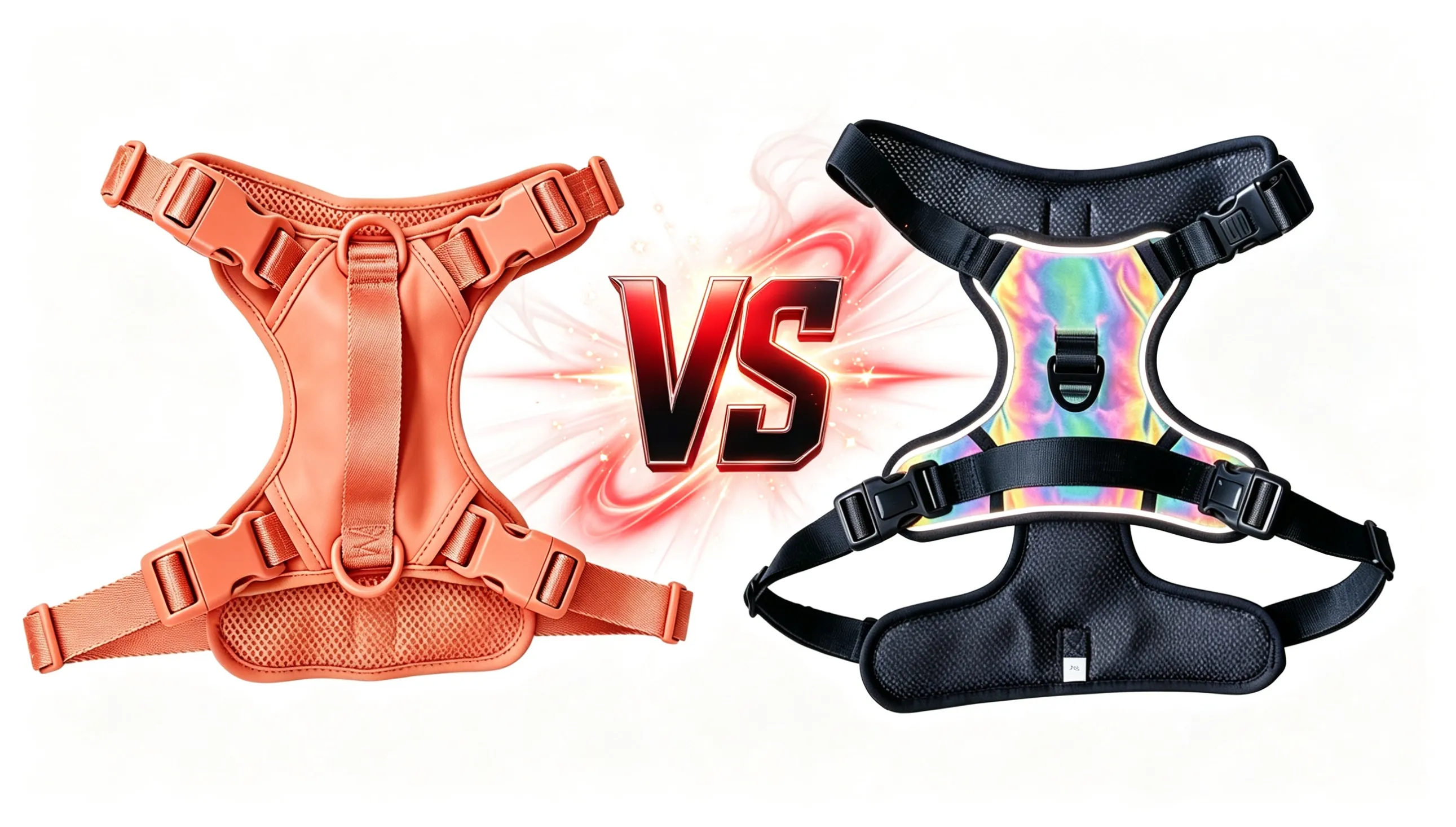
For outdoor brands, a strong handle can communicate safety and control.
For lifestyle brands, a smaller integrated handle can provide functionality without affecting the appearance.
Understanding different dog harness handle designs helps pet brands create products that match their market instead of simply copying existing styles.
Why Add a Handle to a Dog Harness?
Not every dog harness requires a handle.
Traditional everyday walking harnesses usually focus on comfort, adjustability and appearance.
However, handles have become increasingly popular in certain product categories because they provide additional control when needed.
Common situations include:
- Outdoor activities
- Hiking
- Training
- Travel
- Emergency control
- Large or active dogs
A handle allows owners to quickly hold or stabilize their dog without needing to grab the leash.
For brands, this creates an opportunity to develop more functional products beyond standard walking harnesses.
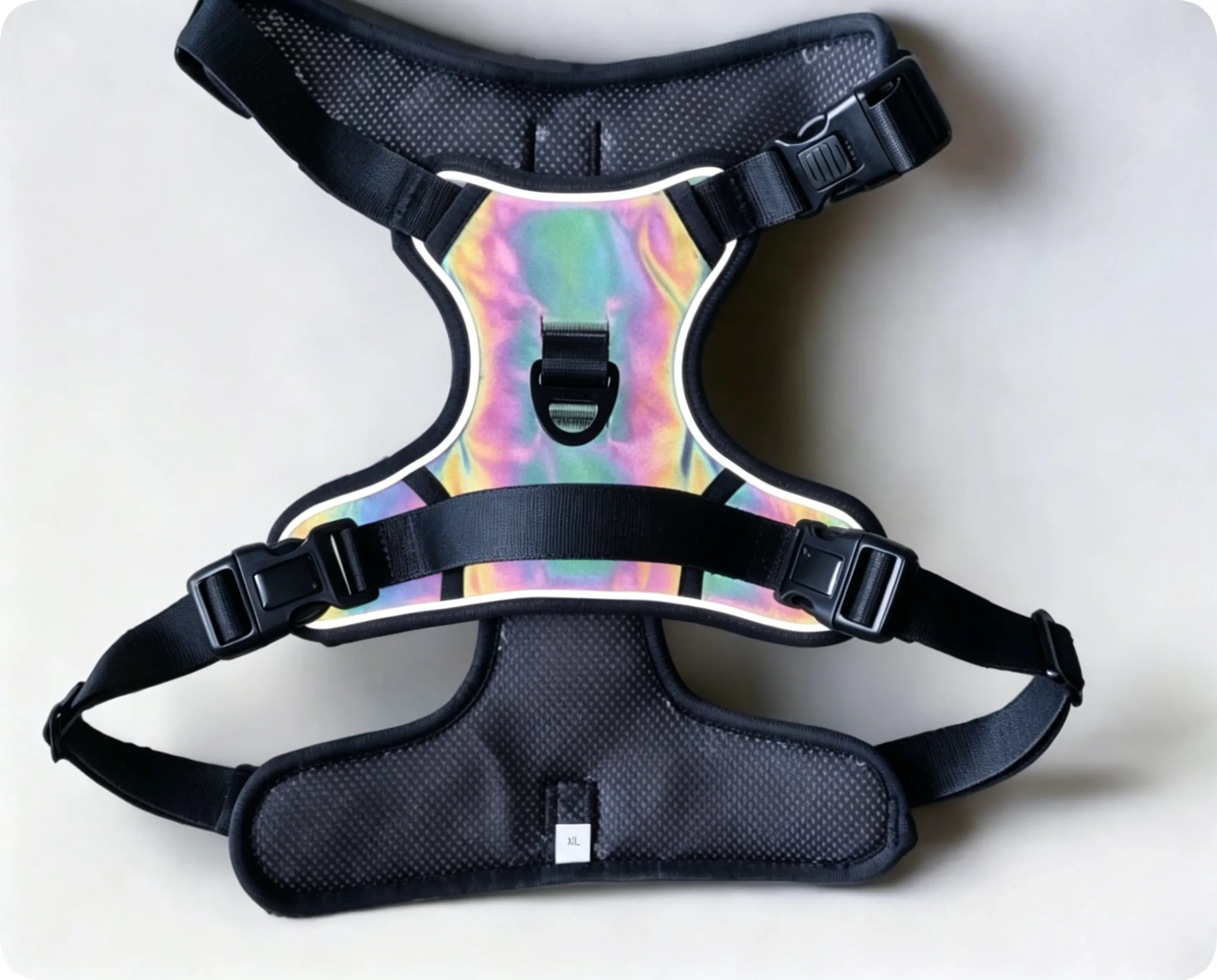
Top Handle Dog Harness: The Most Common Functional Design
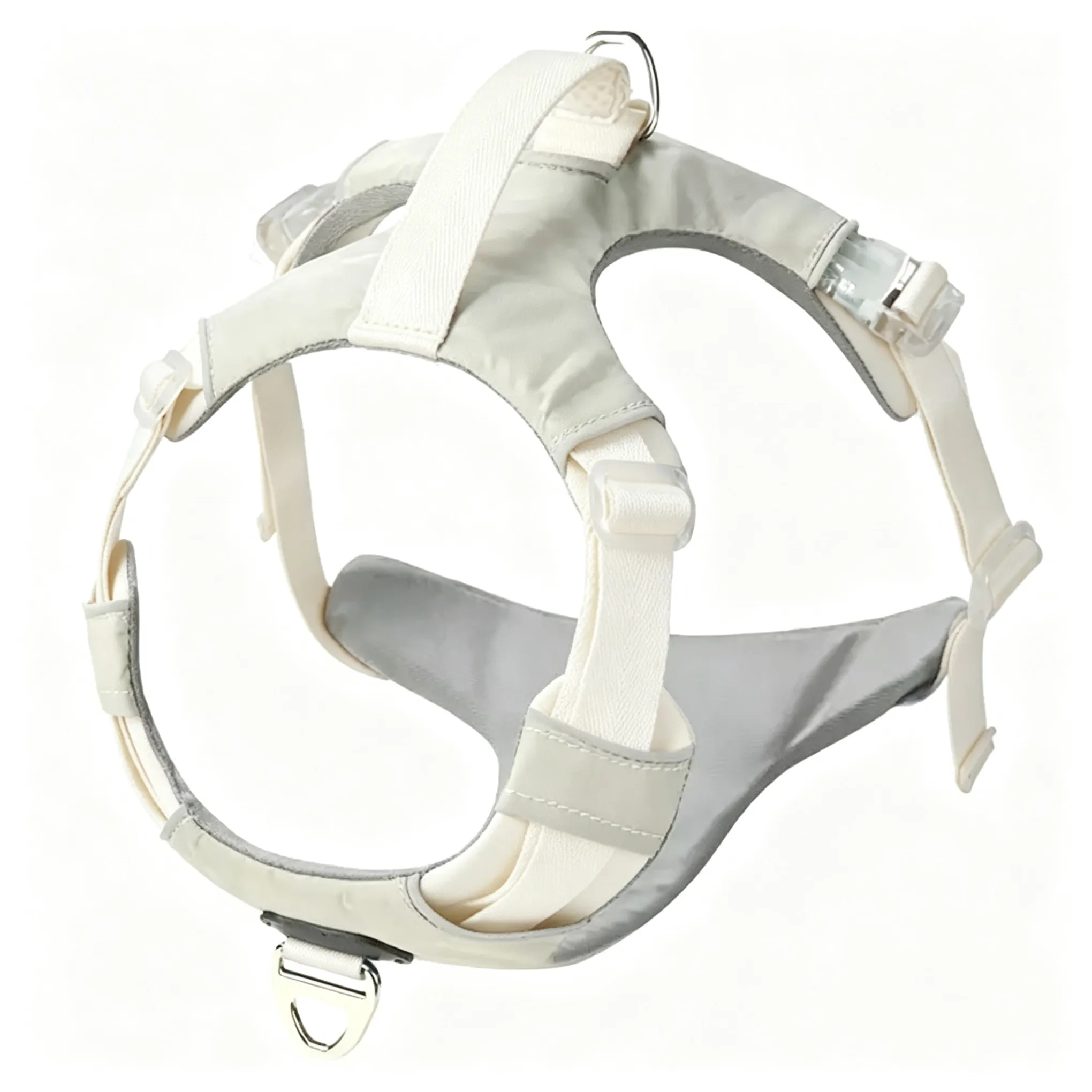
The top handle is positioned on the upper back area of the harness.
This is currently one of the most popular handle designs for outdoor and tactical-style dog harnesses.
Advantages:
Better Control
The owner can quickly hold the dog close when necessary.
This is useful in situations such as:
- Crowded areas
- Training environments
- Vehicle loading
- Outdoor adventures
Suitable for Active Dogs
Top handles are commonly seen on:
- Hiking harnesses
- Adventure harnesses
- Working dog harnesses
They are often paired with stronger webbing, reinforced stitching and durable hardware.
Strong Product Positioning
For brands targeting outdoor customers, a top handle immediately communicates:
- Adventure
- Safety
- Functionality
Horizontal Handle vs Vertical Handle: What Is the Difference?
When developing a custom harness, brands may choose between different handle orientations.
Horizontal Handle Design
A horizontal handle usually follows the width direction across the dog's back.
Benefits:
- Easier to grab quickly
- Provides stable holding support
- Suitable for larger dogs
- Creates a stronger outdoor appearance
This design is commonly used for:
- Tactical harnesses
- Service dog products
- Adventure collections
However, because the handle requires stronger construction, brands need to consider:
- Reinforcement layers
- Stitching strength
- Webbing quality
- Overall harness weight
Vertical Handle Design
A vertical handle follows the length direction of the dog's back.
Benefits:
- Creates a cleaner appearance
- Can feel more integrated with the harness shape
- Suitable for lighter designs
This style may work better for:
- Lifestyle harnesses
- Everyday walking products
- Smaller dogs
The handle design should match the overall product purpose rather than being added only for appearance.
Handle Design Depends on the Target Market
One of the biggest mistakes brands make is adding features without considering customers.
A professional outdoor brand and a fashion-focused boutique brand may need completely different harness designs.
Outdoor Pet Brands
Customers may prioritize:
- Strong handles
- Durable materials
- Reflective details
- Waterproof fabrics
- Secure hardware
Recommended design:
- Reinforced top handle
- Strong webbing
- Heavy-duty buckle
Lifestyle Pet Brands
Customers may prioritize:
- Comfort
- Colours
- Soft materials
- Fashion appearance
Recommended design:
- Smaller integrated handle
- Neoprene padding
- Premium fabrics
- Embroidery details
Materials Matter for Harness Handle Performance
A handle is only as strong as the materials behind it.
Important components include:
Webbing
High-quality polyester webbing provides:
- Strength
- Durability
- Colour stability
For premium collections, brands may choose:
- Jacquard webbing
- Custom woven patterns
Reinforced Stitching
The handle area receives significant pulling force.
Manufacturers need to consider:
- Stitching pattern
- Reinforcement layers
- Load testing
Hardware Selection
Buckles and D-rings should match the product purpose.
Outdoor harnesses may require stronger hardware compared with lightweight everyday harnesses.
Common Mistakes When Developing Handle Harnesses
Many new brands focus only on appearance.
However, functional details require careful planning.
Common mistakes include:
Adding a Handle Without Testing Strength
A handle should not only look good. It needs to perform safely.
Making the Handle Too Large
Oversized handles may affect comfort and product appearance.
Ignoring Target Dog Size
A handle suitable for a large dog may not work well for small breeds.
Choosing Materials Before Defining Usage
The material should match the customer's lifestyle.
Outdoor products and fashion products require different solutions.
How Brands Can Create a More Competitive Harness Collection
A handle can become part of a larger product strategy.
For example:
An outdoor collection may include:
- Handle harness
- Waterproof leash
- Reflective collar
- Travel accessories
A lifestyle collection may include:
- Soft padded harness
- Matching leash
- Walking bag
- Seasonal colours
The strongest collections combine function, appearance and brand identity.
OEM Opportunities for Custom Handle Harness Development
Developing a handle harness requires more than selecting an existing product.
Brands may customize:
- Handle structure
- Webbing colour
- Fabric
- Padding
- Hardware
- Logo embroidery
- Packaging
An experienced OEM partner can help evaluate:
- Manufacturing feasibility
- Material combinations
- Production cost
- Safety considerations
This helps brands create unique products while avoiding unnecessary development risks.
How JABARI PET Supports Custom Dog Harness Development
At JABARI PET, we help pet brands develop customized harness collections for different market needs.
Our OEM capabilities include:
- Vest harness
- Y harness
- Outdoor harness
- Handle harness
- Custom colour development
- Embroidery branding
- Material selection
- Private label packaging
We work with brands to balance:
- Product function
- Market positioning
- Manufacturing feasibility
- Cost control
Our goal is to help customers create products that are not only attractive but also practical for real-world use.
Conclusion
Dog harness handles may seem like a small design feature, but they can significantly influence product positioning and customer experience.
A top handle can transform a standard harness into an outdoor-ready product.
A lightweight integrated handle can add convenience without changing a lifestyle collection's appearance.
For pet brands, choosing the right handle design starts with understanding the customer, usage scenario and overall collection strategy.
At JABARI PET, we support brands through custom dog harness development, helping turn product ideas into practical OEM solutions for international markets.