Sep 1, 2026Pet Business Guides
Why a Reference Image Is Not Enough for OEM Pet Product Development
Learn what pet brands should provide beyond a reference image to improve OEM sampling, quotations and bulk production for harnesses, collars, leashes and accessories.
Why a Reference Image Is Not Enough for OEM Pet Product Development
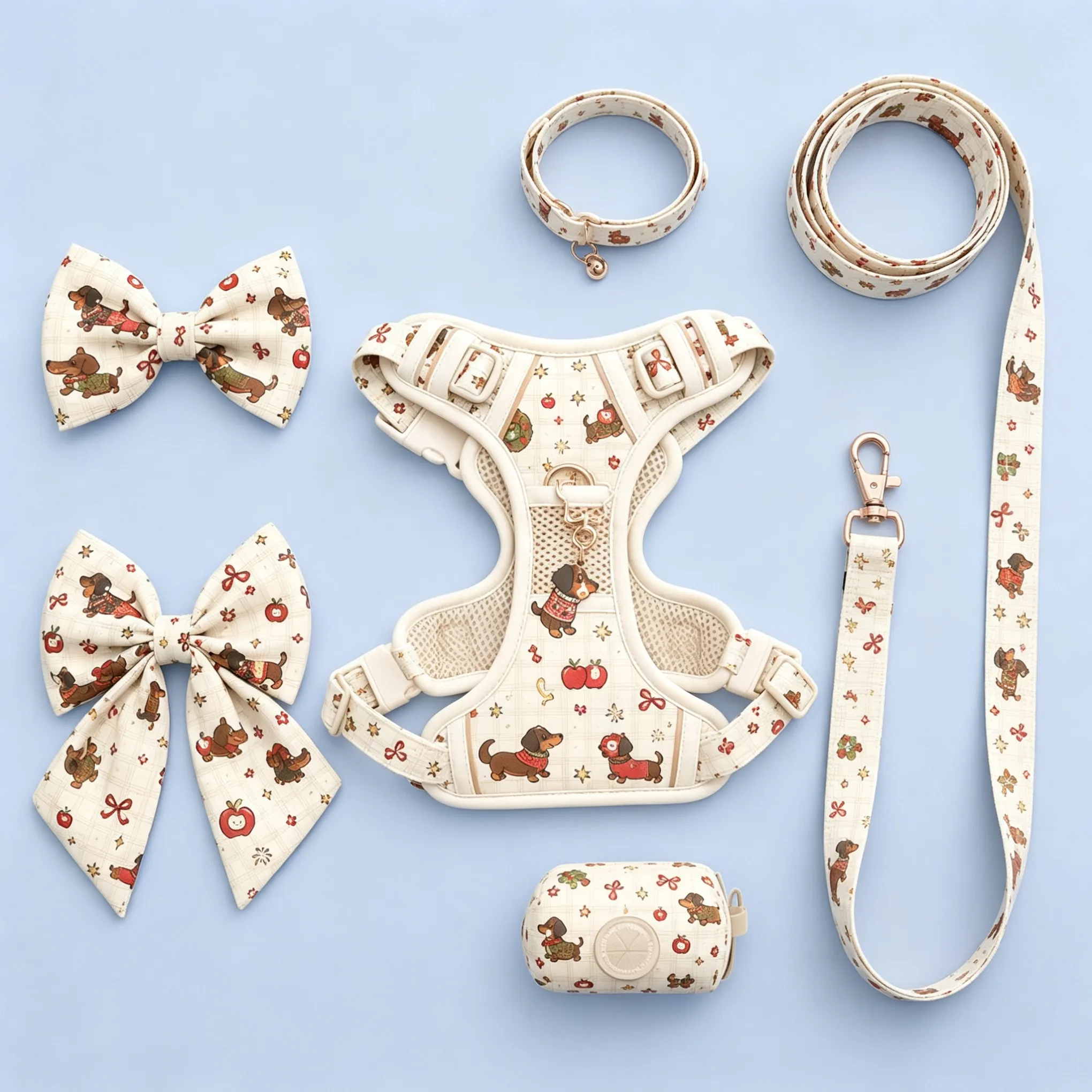
I receive reference images from pet brands almost every week.
Sometimes it is a competitor's dog harness.
Sometimes it is a Pinterest image.
Sometimes it is a 3D rendering created for a new brand.
And increasingly, it may be an AI-generated product concept.
The message is often very simple:
“Can you make this?”
In many cases, the answer is yes.
But there is a much more important question:
What exactly does “this” mean?
A reference image can show the overall appearance of a product. It cannot tell the supplier exactly how the product should be constructed.
It may not show fabric thickness, webbing specification, buckle material, foam structure, internal seams, reinforcement, adjustment range or even the true dimensions.
Two suppliers can therefore look at exactly the same image and manufacture two noticeably different products.
For pet brands, a reference image should be treated as the beginning of OEM product development—not as the final manufacturing specification. Before sampling or bulk production, the visual concept needs to be translated into measurable materials, dimensions, construction details, hardware and quality requirements.
That translation is one of the most important parts of successful OEM development.
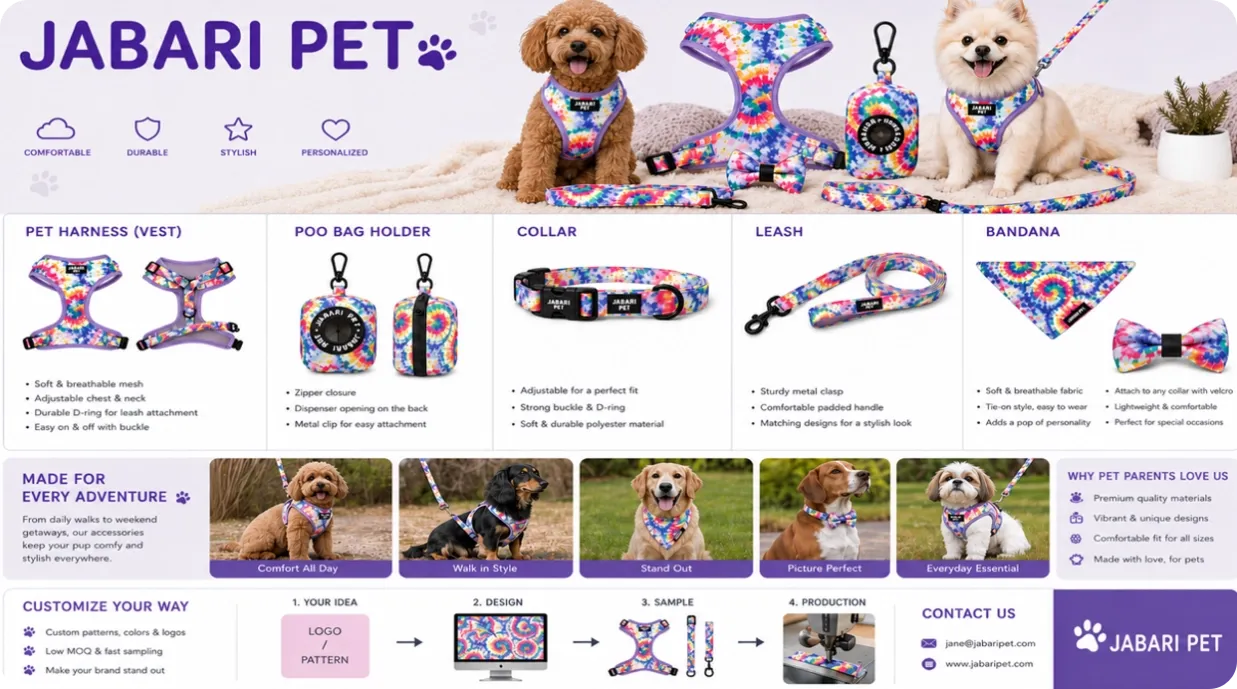
What Information Is Missing From a Reference Image?
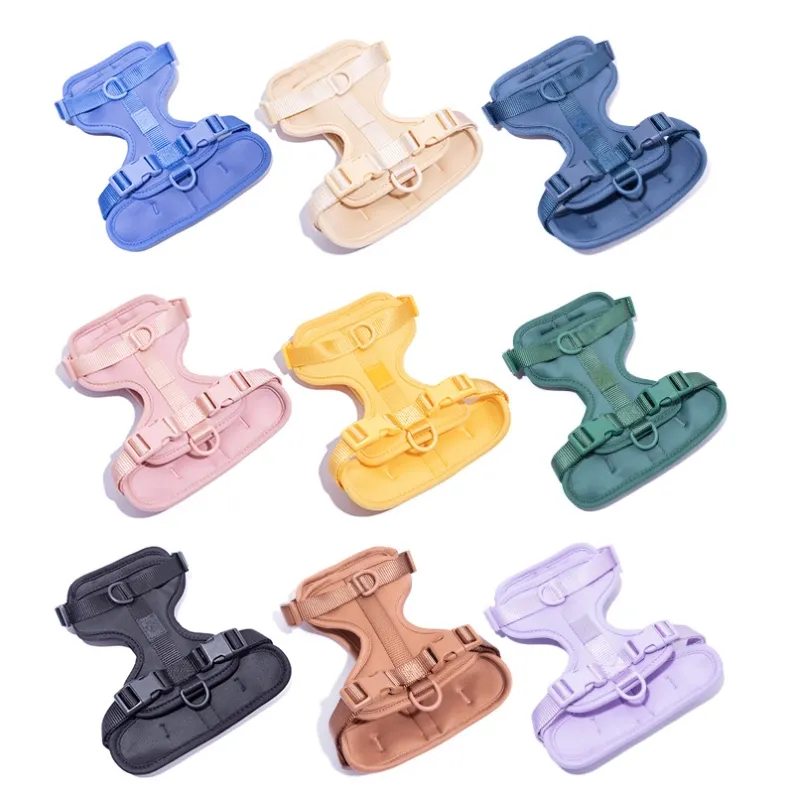
Imagine a brand sends a photograph of a padded Y-shaped dog harness.
From the photograph, a supplier can probably identify:
- General shape
- Approximate color
- Number of buckles
- D-ring position
- Logo location
- Overall design direction
But many production decisions remain unknown.
For example:
What the Image Shows | What Production Still Needs |
|---|---|
Purple fabric | Fabric composition and weight |
Soft-looking harness | Foam type and thickness |
Black webbing | Width, thickness and material |
Metal D-ring | Material, size and finish |
Plastic buckle | Size, strength and supplier |
Printed logo | Printing method and dimensions |
Harness shape | Actual pattern and measurements |
Five sizes | Size grading and tolerances |
These details determine both price and product performance.
This explains why sending the same image to three suppliers can result in three different quotations.
The suppliers may not be quoting the same specification.
Why Is This Becoming More Important for Private Label Brands?
Private label is no longer limited to putting a logo on a generic product.
In the U.S., private-label pet care reached $5.6 billion in sales in 2025 according to reporting based on PLMA data, while retailers are increasingly moving toward premiumization, specialization and proprietary product development.
That changes what brands need from OEM suppliers.
A basic private-label project might be:
Existing harness + logo.
A more developed private-label project might involve:
Existing structure + custom fabric + custom webbing + branded hardware + exclusive color + packaging.
A full OEM project might require:
New pattern + new fit + custom components + new construction.
As customization increases, the reference image becomes less useful as a production instruction.
The specification becomes more important.
What Should Pet Brands Provide Before Asking for a Sample?
You do not necessarily need a professional technical pack before contacting a supplier.
Especially for a new brand, that may be unrealistic.
But providing several basic pieces of information can dramatically improve the development process.
1. Explain the Product's Main Purpose
Do not start only with appearance.
Tell the supplier what the product needs to do.
For example:
“This is an everyday lightweight harness for small dogs.”
is much more useful than:
“Please make this harness.”
The first sentence already influences:
- Hardware weight
- Padding
- Fabric
- Webbing width
- Pattern
- Adjustment
Another brief might say:
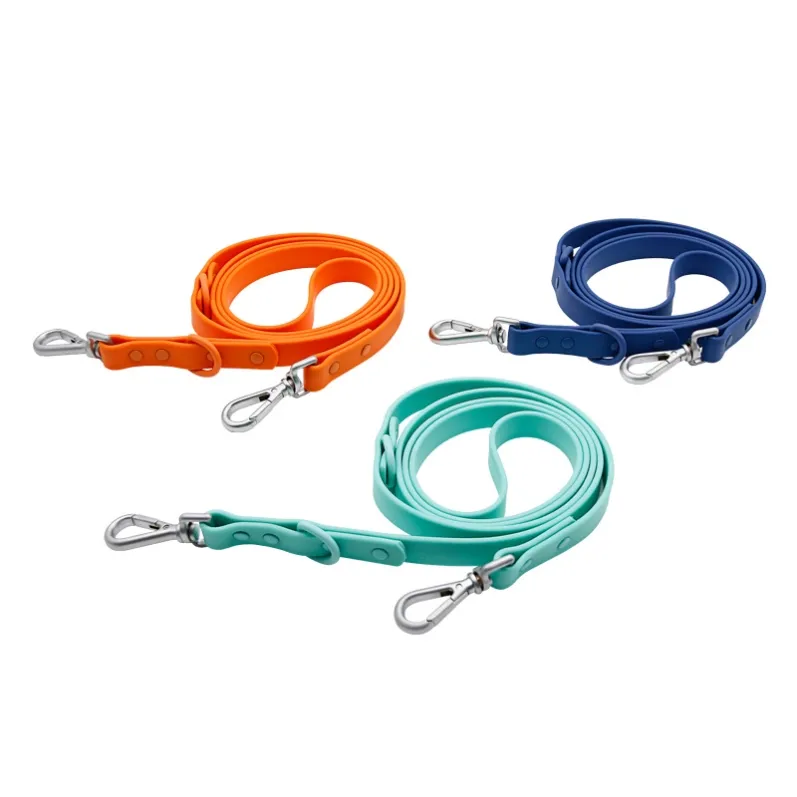
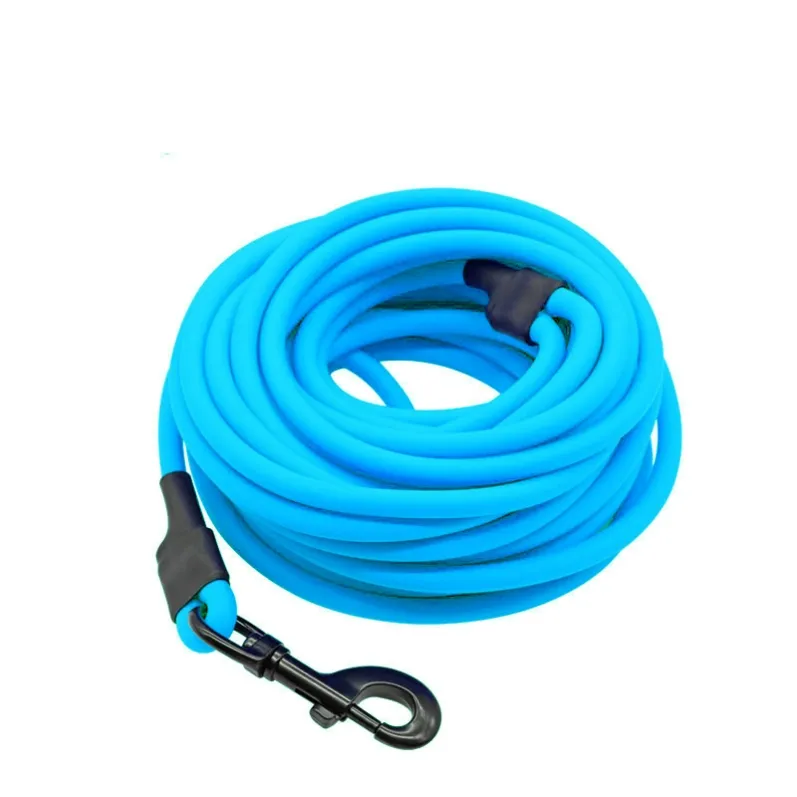
“This leash is for outdoor and muddy walks and needs to be easy to clean.”
Now coated TPU or PVC webbing may make more sense than a fashion textile.
The intended use should guide material decisions.
2. Mark Which Details Are Essential
A reference image may contain 20 visible details.
Not all 20 are equally important.
Tell the supplier which ones cannot change.
For example:
Must keep:
- Y-shaped front
- Front D-ring
- Handle
- Three-buckle structure
Flexible:
- Exact buckle shape
- Inner mesh
- Binding construction
This gives the supplier room to recommend a practical production solution without accidentally changing the brand's core idea.
3. Provide Measurements Whenever Possible
Dimensions remove guesswork.
For harnesses, this may include:
- Neck range
- Chest range
- Strap width
- Back-panel length
For bags:
- Width
- Height
- Depth
- Strap length
- Pocket dimensions
For leashes:
- Length
- Webbing width
- Handle size
Even approximate measurements are better than asking the supplier to estimate everything from an image.
Why Scale Is Difficult to Judge From AI Images
This is especially important with rendered or AI-generated concepts.
A buckle may look perfectly proportional in an image but not correspond to any standard buckle available in that size.
A pocket may look extremely flat while containing objects that physically require more depth.
A leash hook may look lightweight but need to support a large dog.
The visual concept needs to meet physical reality.
4. Define the Material Direction
You do not always need to know the exact material name.
You can describe the performance you want.
For example:
Soft and padded
Lightweight and breathable
Waterproof and wipe-clean
Structured and premium
Flexible outdoor material
This allows the supplier to recommend realistic options.
For a harness, “soft premium fabric” could lead to several very different constructions.
The final choice should consider:
Appearance + Comfort + Durability + Cost + MOQ + Care
rather than appearance alone.
5. Specify the Hardware Expectations
Hardware can significantly change the price and performance of pet products.
For collars, harnesses and leashes, confirm where possible:
- Plastic or metal buckle
- D-ring material
- Snap hook type
- Hardware finish
- Webbing width
- Expected dog size
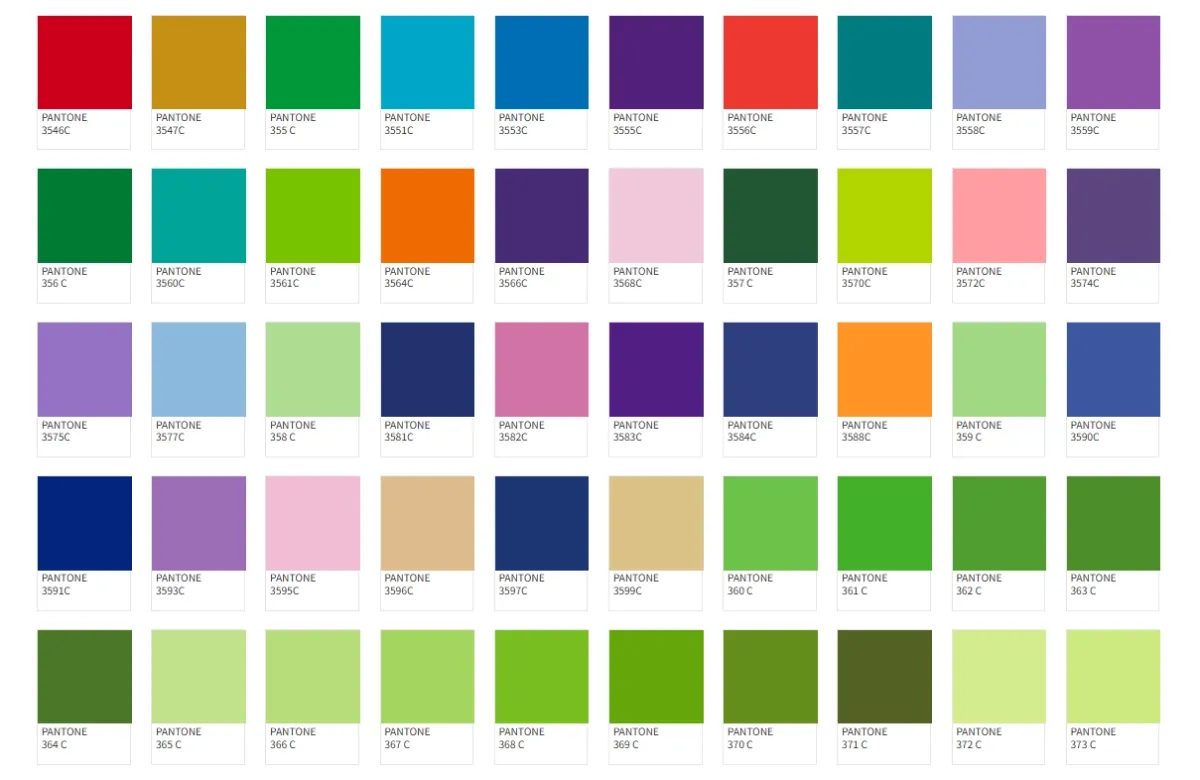
If a brand wants a custom Pantone metal finish, that should be discussed early.
The hardware supplier may have a different MOQ from the sewing factory.
That can influence whether the first production is commercially realistic.
Why Should Target Quantity Be Discussed Before Development?
A product that is realistic at 3,000 pieces may not be realistic at 100 pieces.
This does not necessarily mean the supplier refuses small orders.
The problem is often the components.
Imagine the brand wants:
- Custom woven webbing
- Custom metal buckle
- Custom rubber logo
- Custom printed fabric
Each material supplier may have its own MOQ.
For a smaller launch, the better solution may be:
Existing buckle + existing webbing + custom fabric + custom logo.
The product still looks distinctive.
But the development risk is much lower.
This is why quantity should be part of product development—not a question discussed only after the sample is finished.
What Is a Golden Sample and Why Does It Matter?
Once the product has gone through revisions and the brand approves the final version, that sample should become the physical production reference.
It is often called an approved sample or golden sample.
This matters because written specifications cannot communicate everything.
For example:
How soft should the padding feel?
How should the harness hold its shape?
How shiny should the hardware appear?
How should the stitching look?
The physical approved sample provides another layer of reference.
Ideally, the final production standard includes:
Approved physical sample + measurement specification + material details + artwork + packaging requirements.
That combination is much stronger than a WhatsApp message saying:
“Same as the last sample.”
How Can Better Specifications Reduce Sampling Cost?
A common assumption is that more detailed development makes a project more expensive.
Often, the opposite is true.
Unclear requirements create repeated samples.
Sample 1:
Wrong material.
Sample 2:
Correct material, wrong pocket.
Sample 3:
Pocket fixed, but strap too short.
Sample 4:
Hardware needs changing.
Every round adds:
- Sample cost
- Courier cost
- Development time
- Launch delay
The goal is not to eliminate revisions completely.
Full OEM products often need several development rounds.
The goal is to make every sample answer a useful question.
Why Is This Especially Important for UK and EU Brands?
UK pet-accessory development in 2026 continues to emphasize products with clearer purpose, practical function and coherent design rather than novelty for its own sake. UK industry commentary also highlights design-led collections and products built around real lifestyle use.
For European buyers, documentation and traceability are also becoming increasingly important parts of product sourcing.
This makes a disciplined specification process valuable beyond manufacturing.
The same product information can later support:
- Product listings
- Packaging
- Material records
- Quality inspection
- Retail buyer documentation
- Reorders
The specification therefore becomes part of the brand's product asset.
What Should Amazon Sellers Do Differently?
Amazon sellers should connect the manufacturing specification to the customer-facing listing.
If the listing says:
Lightweight
the final product should have a controlled weight range.
If it says:
Adjustable
the actual adjustment range should be documented.
If it says:
Waterproof
the brand should know which material or construction supports that claim.
If it says:
Heavy duty
the product specification should explain what makes it heavy duty.
This prevents marketing language from drifting away from the actual manufactured product.
It also makes future supplier changes easier.
Can a Brand Change Suppliers Without a Product Specification?
Technically, yes.
Practically, it becomes much harder.
If all product knowledge exists only inside the original supplier's factory, a new supplier must reverse-engineer the product.
That can create changes in:
- Fit
- Material
- Color
- Hardware
- Stitching
- Packaging
A brand that owns its specifications has much more control over its supply chain.
This does not mean every startup needs a 50-page technical pack.
It means the brand should gradually build its own product memory.
How JABARI PET Approaches Reference-Based Development
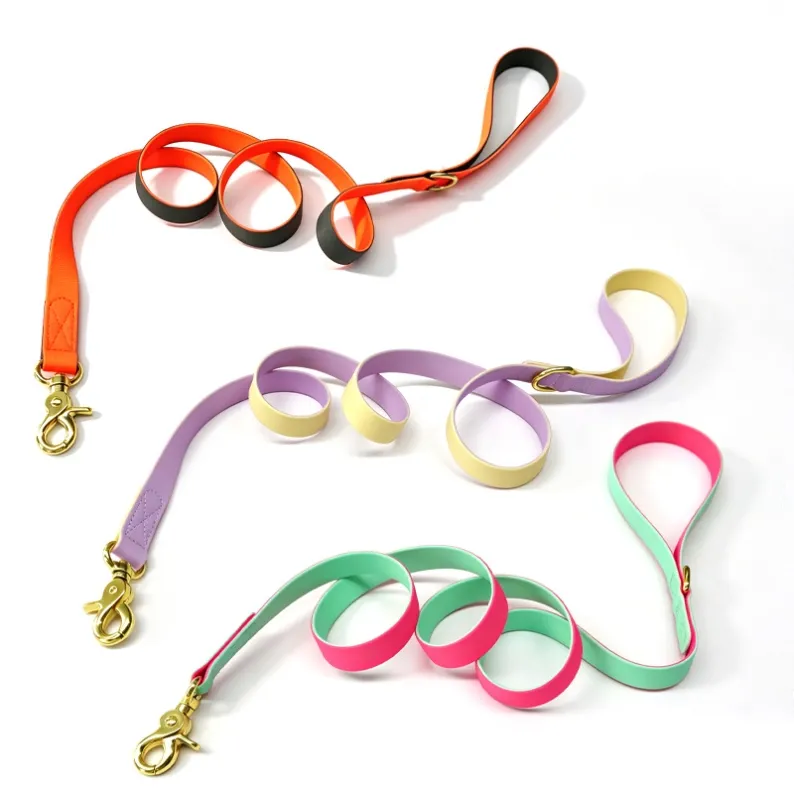
At JABARI PET, we work with pet brands, retailers and Amazon sellers developing private label harnesses, collars, leashes, apparel, bags and related pet accessories.
Reference images are useful.
They help us understand the customer's visual direction quickly.
But before production, we also need to consider factors such as:
- Dimensions
- Materials
- Webbing
- Hardware
- Construction
- Logo method
- Quantity
- Packaging
- Intended use
Sometimes an existing construction can be modified efficiently.
Sometimes the reference requires a completely new pattern.
And sometimes a detail that looks simple in a rendering requires a different construction method in the physical product.
The objective is not simply to reproduce an image.
It is to translate the idea into a product that can actually be sampled, tested, manufactured and reordered.
Final Answer: Turn the Picture Into a Specification Before Turning It Into Inventory
A reference image is extremely useful for starting a conversation with an OEM supplier.
But it answers only one question:
What should the product roughly look like?
Production requires many more answers:
What material?
What dimensions?
What hardware?
What construction?
What adjustment range?
What quantity?
What packaging?
What quality standard?
As private-label pet products become more differentiated and retailers invest in increasingly proprietary ranges, stronger product-development systems will become more valuable.
For a pet brand, the most important shift is simple:
Do not treat the reference image as the specification.
Treat it as the starting point for building the specification.
Before approving your next OEM sample, ask:
“If another production team received only our approved documents and sample, would they understand exactly what we want?”
If the answer is yes, the product is moving from an idea toward something much more valuable:
A repeatable commercial product.
Sources & Further Reading
Current U.S. private-label reporting shows pet care moving beyond basic value products toward premiumization, specialization and proprietary development, increasing the importance of deeper supplier collaboration.
For UK product-development context, Pet Brands' 2026 UK pet accessories outlook highlights function-led development, design-driven collections and products built around clearer customer needs.
JABARI PET's existing 2026 Pet Product Trends: What UK, EU & US Pet Brands Are Looking for in Their Next OEM Collection provides additional background on private label development, materials and coordinated pet accessory collections.