Aug 31, 2026Pet Business Guides
How Can Pet Brands Build a Retail-Ready Product Line Without Creating Too Many SKUs?
Learn how pet brands can build a retail-ready product line with fewer, stronger SKUs by combining hero products, shared materials, clear positioning and scalable OEM sourcing.
How Can Pet Brands Build a Retail-Ready Product Line Without Creating Too Many SKUs?
I often see new pet brands try to look established before they have enough sales data to support a large collection.
They want several harness designs, many colors, matching collars, multiple leash lengths, walking bags, waste bag holders, apparel and seasonal products.
From a presentation perspective, the collection looks impressive.
From a sourcing perspective, it can become difficult very quickly.
Every additional product may create another size, color, material, packaging format, barcode, forecast and reorder decision.
The brand appears to have more products, but the supply chain becomes less flexible.
A retail-ready pet product line does not need to contain the largest number of SKUs. It needs a clear assortment in which every product has a role, the collection is easy to explain, and the underlying materials and specifications can be reordered consistently. For most growing pet brands, the strongest starting point is a focused hero product supported by a small number of related accessories.
This approach fits the current market.
Consumers still spend on pets, but they are evaluating value more carefully. Private label is becoming more sophisticated, and retailers increasingly need products with clear positioning rather than another generic item with a different logo. Recent pet-industry analysis also points toward “value-led premiumization,” where quality, function and credible product benefits matter more than price or appearance alone.
Why Does a Large Pet Product Range Create So Much Risk?
A catalogue can look simple on a website and still be complicated behind the scenes.
Consider one harness collection:
- 5 sizes
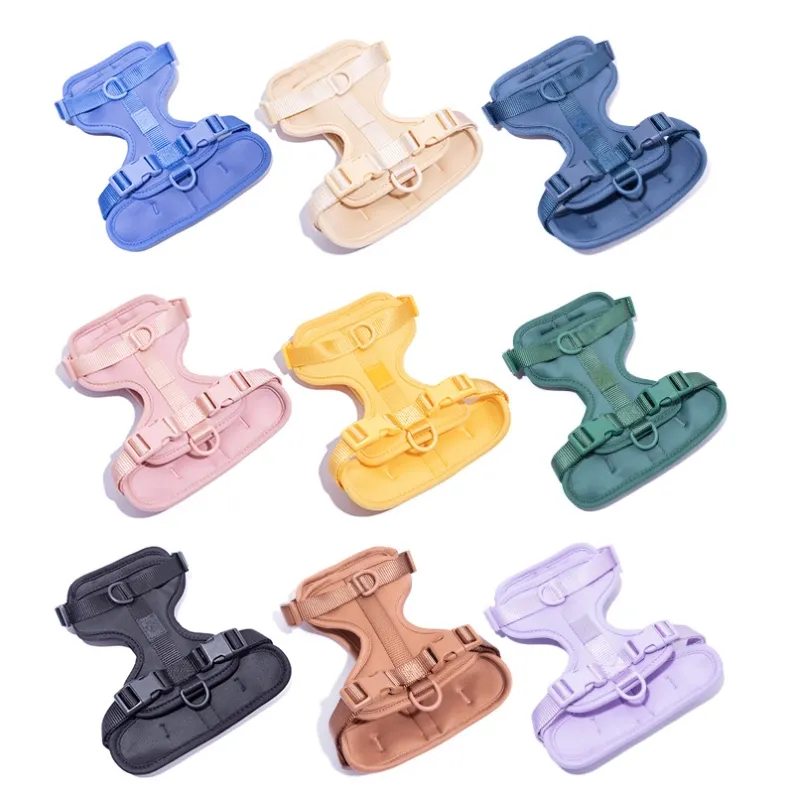
- 4 colors
- 1 logo method
- 1 packaging format
That creates 20 harness SKUs.
Now add:
- Matching collar
- Matching leash
- Waste bag holder
- Walking bag
The collection may reach 50 or more sellable combinations before adding seasonal variations.
Each SKU Ties Up Cash
Not every variation will sell at the same speed.
One color may become a bestseller.
Another may only sell occasionally.
Medium may move quickly, while XS and XL remain in stock for months.
This creates a common problem:
The brand has inventory, but not always the inventory customers are asking for.
A smaller, better-planned collection can improve cash flow and make demand easier to read.
Each SKU Also Creates Operational Work
More SKUs usually mean more:
- Product photography
- Listing content
- Barcode management
- Packaging labels
- Forecasting
- Inspection records
- Reorder decisions
This is particularly important for Amazon sellers, where each variation can affect inventory planning and listing performance.
What Is the Difference Between a Product Range and a Product System?
A product range is simply a group of products.
A product system is a group of products that work together.
For example:
Harness + collar + leash is a range.
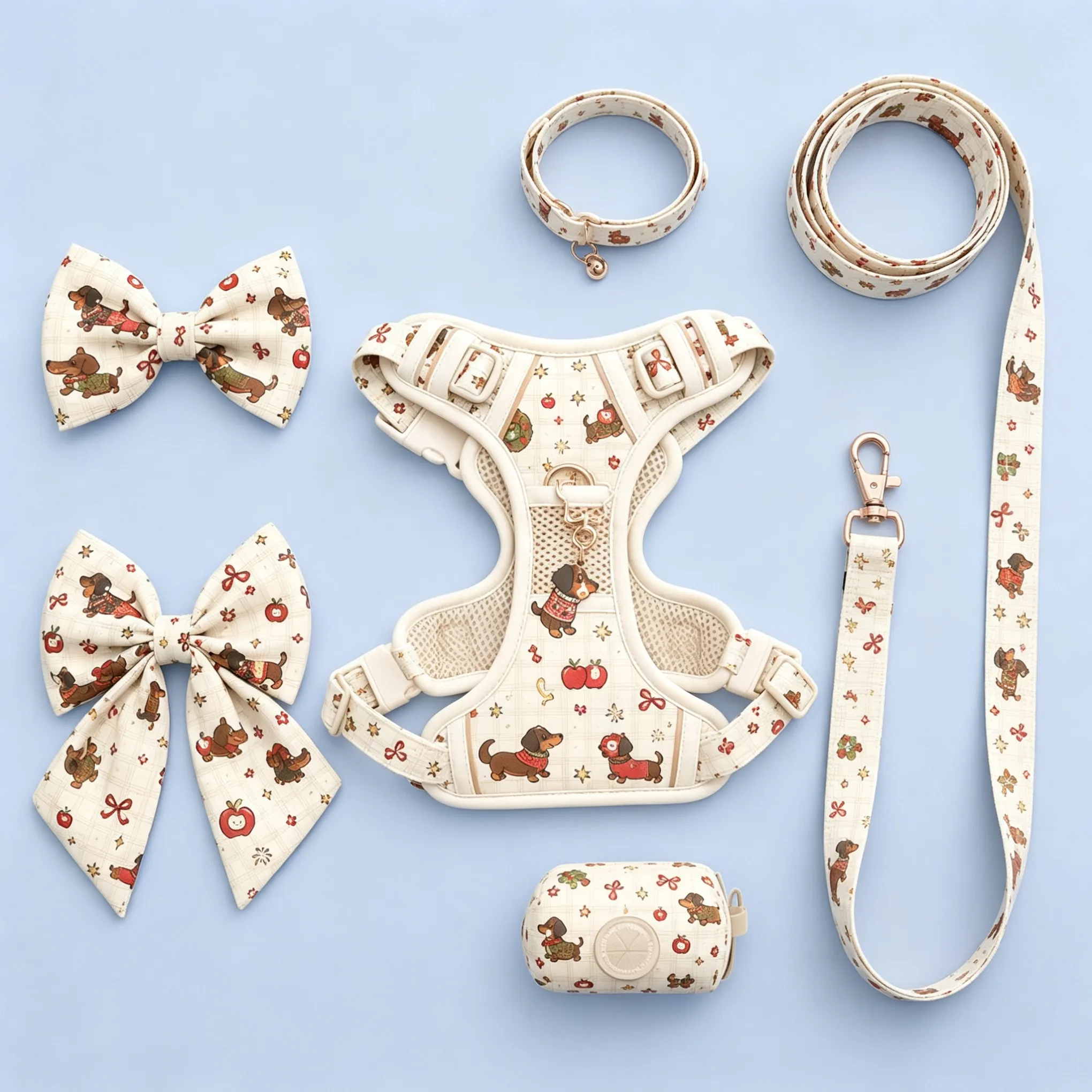
Everyday harness + lightweight collar + matching leash + walking bag is closer to a system because the products share a customer need and a visual language.
The second approach is usually easier for buyers to understand.
It also creates more opportunities for cross-selling.
A customer who buys the harness has a natural reason to consider the leash.
A retailer can display the products together.
A brand can photograph one coordinated lifestyle scene instead of creating a completely different story for every SKU.
How Should a Brand Choose Its Hero Product?
A hero product should be the product customers remember first.
For many pet brands, this may be:
- A signature dog harness
- A premium leash
- A distinctive walking bag
- A technical outdoor accessory
- A specific travel product
The right choice depends on the brand's customer and position.
A Hero Product Should Have a Clear Job
A strong hero product usually answers one of these questions:
- Is it more comfortable?
- Is it easier to clean?
- Is it designed for outdoor use?
- Is it made for small dogs?
- Does it solve a storage problem?
- Does it offer a more coordinated lifestyle look?
A product that is simply “nice” is harder to build a business around.
A product with a clear job is easier to market, explain and improve.
The Hero Product Should Guide the Rest of the Collection
If the hero product is a harness, supporting products should make sense around it.
For example:
Hero: Breathable everyday harness
Support: Matching collar and leash
Accessory: Lightweight walking bag
Or:
Hero: Waterproof outdoor leash
Support: Waterproof collar
Accessory: Easy-clean walking bag
The supporting products do not need to be equally complex.
They need to make the hero product more commercially useful.
How Can Shared Materials Improve Both Branding and Sourcing?
One of the most effective strategies for a growing pet brand is to share key materials across multiple products.
Suppose a brand develops a custom jacquard webbing for its harness.
That same webbing may also be used on:
- Collars
- Leashes
- Bag straps
- Seat-belt attachments
This creates a recognizable collection.
It also reduces the number of completely different materials in the supply chain.
Shared Materials Can Help With MOQ
Custom materials often have their own minimum order quantities.
If one product uses the material only once, the brand may struggle to absorb that MOQ.
If the material is shared across several products, it becomes easier to justify the development cost and use the remaining material efficiently.
Shared Materials Can Also Improve Reorders
A collection based on unrelated materials can create unpredictable replenishment.
A collection using a smaller number of core fabrics and webbing types is easier to manage.
This is especially useful when a retailer asks for a repeat order or an Amazon bestseller needs to be replenished quickly.
How Many Colors Should a Retail-Ready Collection Start With?
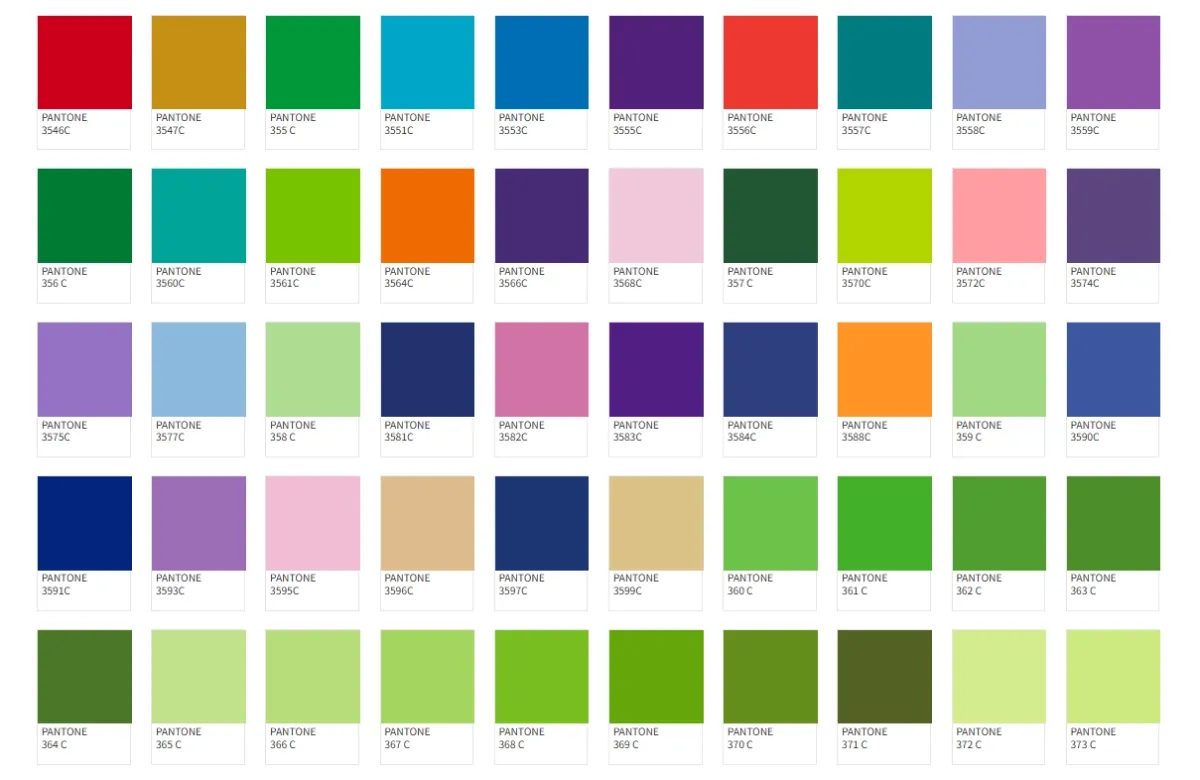
Color is one of the easiest ways to make a product line look larger than it really is.
But every new color creates another inventory decision.
A practical first collection may use:
One core neutral
Easy to sell and easy to reorder.
One signature color
Represents the brand.
One seasonal or fashion color
Adds freshness without becoming a permanent commitment.
This gives the collection enough variety while limiting early risk.
The exact number depends on:
- Product category
- Expected sales volume
- Customer profile
- Retail channel
- Material MOQ
- Reorder plan
The important point is that a color should have a role.
Do not add colors only because the supplier has a large swatch book.
How Should UK, EU and US Brands Think About Product Positioning?
The markets are different, but several common themes are visible.
UK and European Brands
UK and European buyers are increasingly focused on:
- Design with practical purpose
- Material transparency
- More responsible packaging
- Premium presentation without unnecessary excess
- Products that fit modern daily routines
European retailers may also ask more questions about sustainability claims, traceability and packaging materials as regulations and retailer requirements evolve.
US Brands and Amazon Sellers
U.S. brands often need to communicate product value quickly through:
- Product images
- Listing structure
- Customer reviews
- Benefit-led copy
- Fast replenishment
The product still needs to stand out, but the differentiation must be easy to understand online.
The Common Requirement
In all three markets, vague “premium” language is becoming less convincing.
A product needs a clear reason to cost more.
That reason may be:
- Better fit
- Better material
- Better durability
- Better convenience
- Better collection consistency
What Makes a Collection Retail-Ready?
A product line becomes more retail-ready when a buyer can understand it quickly and trust the supply behind it.
A retail-ready collection should usually have:
- Clear product positioning
- Consistent branding
- Logical price levels
- Practical packaging
- Complete product specifications
- Stable size and color information
- Reliable lead times
- Reorder potential
This is why a collection should be reviewed from both sides:
Customer Side
Why would someone want this?
Buyer Side
Why would a retailer give it shelf space?
Supply Side
Can the supplier manufacture it consistently?
If one of these three sides is weak, the collection may not be ready.
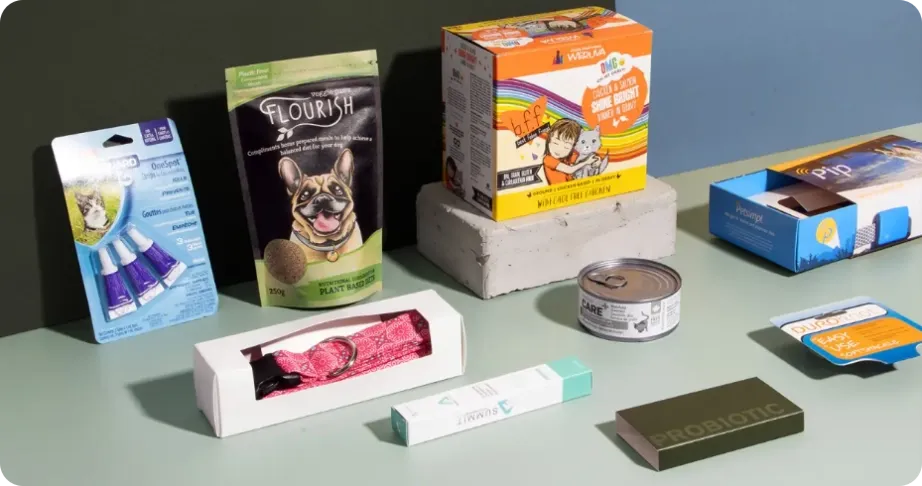
Why Does Packaging Need to Match the Collection Strategy?
Packaging should support the role of the product.
A hero product may need stronger presentation.
A secondary accessory may only need a simple branded card or label.
Not every SKU needs a completely different box.
Brands can often create consistency through:
- Same logo position
- Same typography
- Same color system
- Shared packaging material
- Different size or SKU labels
This reduces packaging complexity while maintaining a professional appearance.
For products sold through Amazon, packaging also needs to consider fulfillment size, protection and labeling.
For physical retail, the package needs to work on the shelf.
The same product may require different packaging decisions by channel.
What Should Brands Do When They Receive a Long Product Request?
When a customer or internal team proposes 20 new product ideas, do not reject the list immediately.
Instead, classify the ideas.
Group | Meaning | Recommended Action |
|---|---|---|
Hero | Defines the brand | Develop deeply |
Core support | Naturally connects to hero | Launch with hero |
Test product | Interesting but uncertain | Use simpler customization |
Future idea | Needs more evidence | Keep in development library |
This approach keeps creativity while preventing every idea from becoming immediate inventory.
A product can be a good idea and still not be a first-launch product.
What Is the Best OEM Strategy for a New Collection?
The best approach often combines different development levels.
Full OEM for the Hero Product
Use deeper product development where fit, structure or function creates the main difference.
Semi-Custom for Supporting Products
Use existing constructions with custom materials, colors, webbing, branding or packaging.
Stock or Private Label for Experiments
Test secondary categories without creating unnecessary tooling or component risk.
This creates a more flexible collection architecture.
It also means the brand does not have to invest the same amount of time and money in every SKU.
How Can Amazon Sellers Use Their First Launch to Improve the Next One?
Amazon sellers have access to useful data after launch.
Track:
- Sales by color
- Sales by size
- Return reasons
- Review themes
- Conversion
- Stockout timing
- Cross-purchase behavior
The next collection should respond to those patterns.
For example:
- Strong sales + fit complaints → improve size grading.
- Strong sales + color demand → expand that color carefully.
- Weak sales + unclear differentiation → improve positioning before adding more variants.
- High return rate + accurate size chart → investigate the product pattern.
- Strong harness sales + matching requests → add related accessories.
This creates a practical development loop instead of launching new products based only on personal preference.
How JABARI PET Helps Build a Focused, Scalable Collection
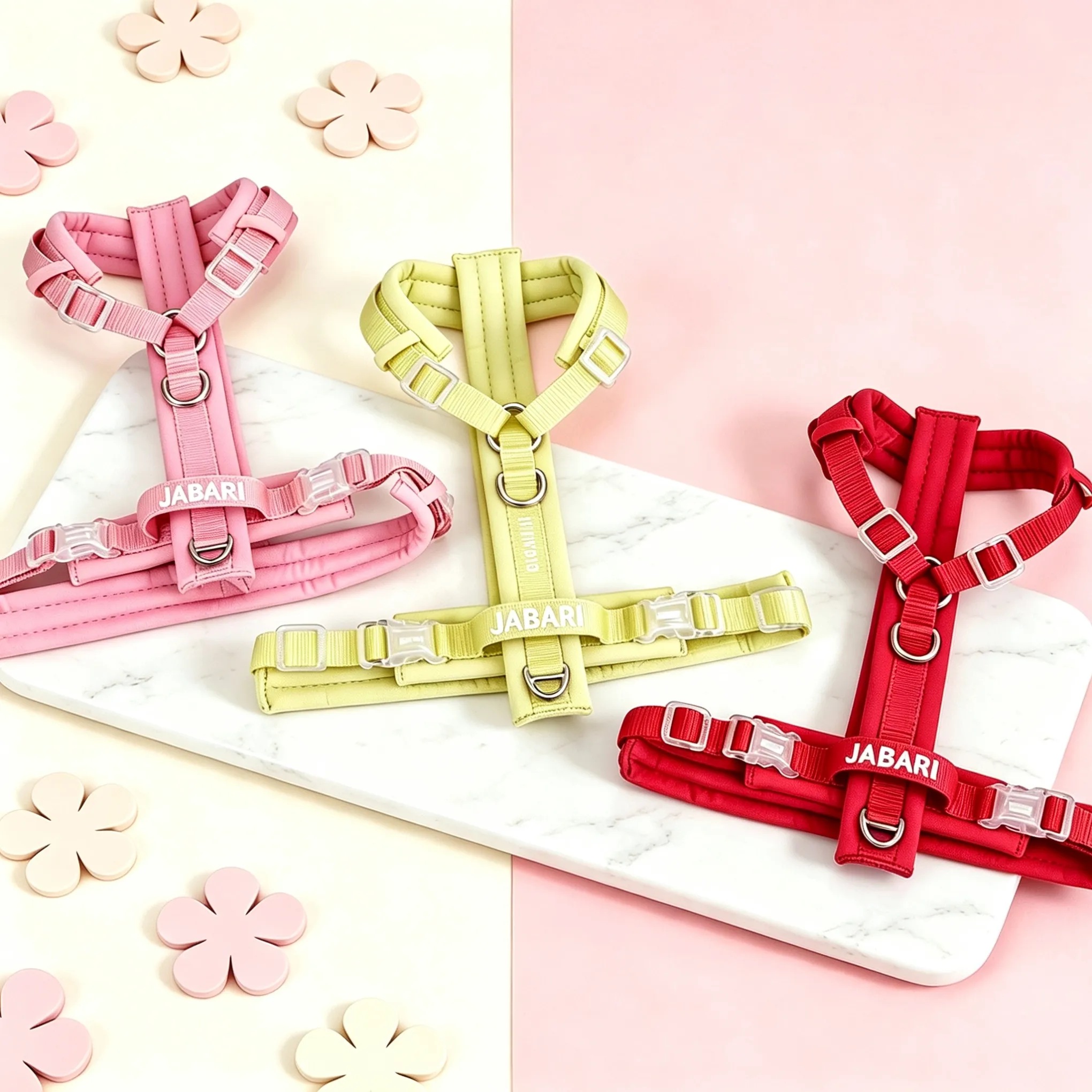
At JABARI PET, we work with pet brands, retailers and Amazon sellers developing private label harnesses, collars, leashes, apparel, walking bags and related accessories.
When a project includes many product ideas, we can help evaluate:
- Which product should become the hero
- Which materials can be shared
- Which components create MOQ pressure
- Which products can use semi-custom development
- Which packaging format fits the sales channel
- Which specifications need to be locked for reorders
Depending on the project, support may include:
- Material sourcing
- Product development
- Sample coordination
- Hardware selection
- Branding
- Packaging
- Production management
- Quality inspection
The goal is not to make the catalogue as large as possible.
It is to make the collection commercially coherent and operationally manageable.
Final Answer: Build a Collection That Can Be Explained, Manufactured and Reordered
The pet market continues to offer opportunities for premium private label and retailer-owned products, but current market conditions favor clearer value, stronger product purpose and more disciplined assortment planning.
For a growing pet brand, a retail-ready collection should answer three questions:
Can the customer understand why these products belong together?
Can the buyer understand why they deserve shelf space?
Can the supplier reproduce them when demand grows?
If the answer is yes, the collection is doing more than looking complete.
It is becoming a real business system.
Before adding another color, accessory or product category, ask:
“Does this make the collection stronger—or only larger?”
That one question can help pet brands reduce inventory risk, improve sourcing efficiency and create a product line that is easier to sell across the UK, EU and US markets.
Sources & Further Reading
Current private-label analysis highlights continued growth in pet care, stronger retailer interest in proprietary products and increasing demand for quality, functional differentiation and scalable OEM supply chains.
Recent 2026 pet-industry commentary also points toward value-led premiumization, clearer product purpose and the need for brands to balance premium materials with realistic pricing.
For current JABARI PET product-development context, see the related article on 2026 Pet Product Trends: What UK, EU & US Pet Brands Are Looking for in Their Next OEM Collection.